


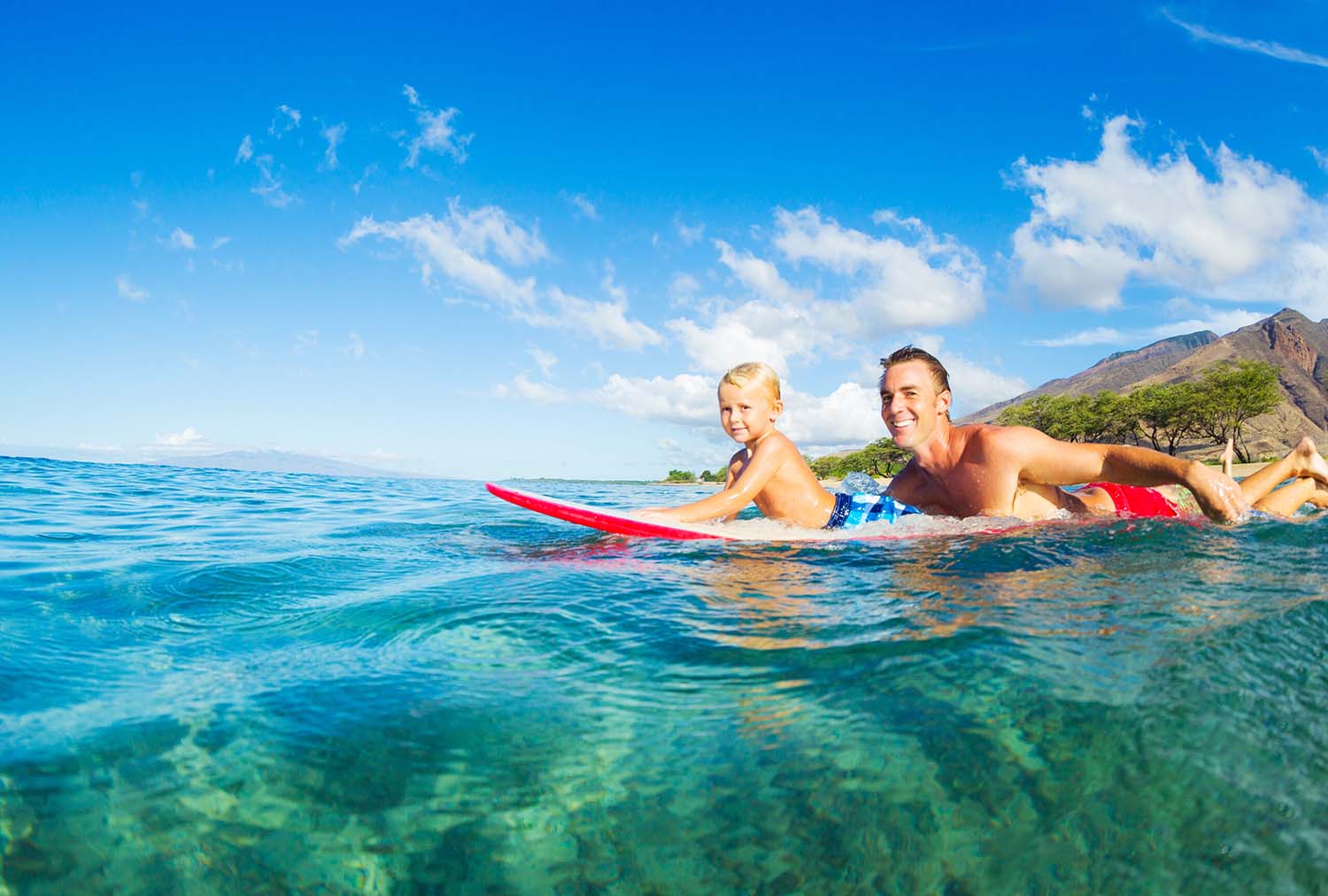
Sunrise Surf Lessons – The Perfect Way to Start Your Day in Maui
Imagine this: the entire globe is still in a slumber, dappled with shades of light violet and dark blue. The only noises that can be heard are the soft and regular wave crashes on the black volcanic beach and the far-off cry of a seagull. The atmosphere is hot and is filled with the lovely, flowery smell of plumeria. Now, imagine not only seeing this wonder but also being part of it, flying over the smooth, sun-dowered sea as the sun rises above the horizon. It is not a dream anymore; this is what a sunrise surf lesson in Maui has in store for you. It’s more than an event, it’s a soul-stirring ritual, a perfect union with the island’s vibe that will be the peak of your whole vacation.
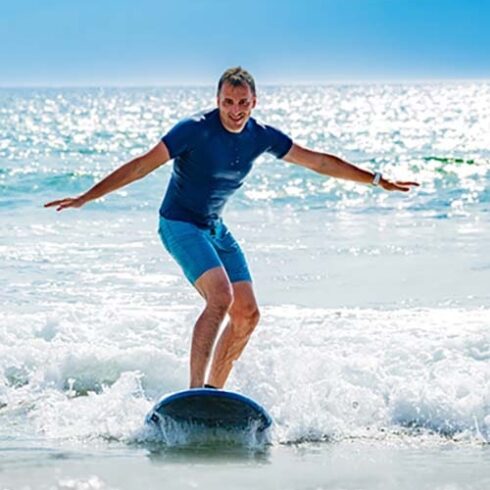
Maui Beginner Surf Lesson, Kihei
Experience the calm morning waves and breathtaking views — perfect for beginners and adventure seekers alike.
Duration: two (2) hours | From: $99
Level: Beginner to Intermediate
Included: Surfboard, leash, rashguard, booties
Book Your Surf Lesson NowWhy a Sunrise Surf Lesson is Unbeatable
Though surfing is always allowed, a sunrise session is on another level. Below are the reasons why being on your board first thing in the morning is the ultimate Maui experience:
- Calmest Conditions of the Day: The morning air is usually still, which means lighter winds and those famous “glassy” ocean conditions. For a beginner, this means that the waves are smoother and more manageable, so you can learn with ease.
- Unbeatable Natural Beauty: Just imagine yourself sitting on your board, waiting for a wave as the sky turns into a colorful spectacle of orange, pink, and gold over the endless Pacific or behind the impressive West Maui Mountains. Such an amazing view is not even possible in the best five-star resorts.
- Beat the Crowds & The Heat: You’ll be able to enjoy the beach almost all by yourself, as it will be shared only with a few locals who are really dedicated and other sunrise chasers. Moreover, you will also be able to finish your lesson before the strong midday sun reaches its peak, thereby avoiding the worst of the UV rays and the afternoon crowds.
- Make Yourself Proud for the Whole Day: There is an astounding feeling of strength in you when you start your day by overcoming your fear, acquiring a new skill, and establishing a bond with the nature around you. That exhilaration of adrenaline and pride will be the positive energy that will stay with you for a long time after you have left the water.
What to Expect: A Step-by-Step Guide to Your Sunrise Surf
The Pre-Dawn Check-In
When the first light of the day is just starting to show, you will meet your aerobic-trained instructor by the beach. You can feel both the calm and the thrill in the air, a moment worth experiencing. Probably, you will be dressed in a rashguard (for protection against the sun and the board) and reef booties if they fit your feet. Your instructor will provide a high-quality, stable soft-top longboard, the most forgiving and easiest to learn on.
The Land Lesson: Your Foundation for Success
Without touching the water, the instructor will explain the surfing method right there on the sand. This is the most important part! You will be taught ocean safety, carrying the board, paddling in an efficient way, and just the most enjoyable part, the “pop-up.” Practicing the same muscle memory on a hard surface training makes it so much easier to perform when a wave is beneath your board.
Hitting the Water: The Magic Moment
The time has come. Your instructor will definitely be beside you, paddling out and giving you the necessary support and advice. The sea is actually very nice and comforting. When the sun hits your back, you are going to feel the ocean’s beat. At that moment, your instructor will see the right wave for you, give you a push, and yell “Pop up!” The experience of your first wave catch, the standing up, the ride towards the sun with the water passing quickly under your feet, is absolute delight with no compromises. It is a feeling of liberation that will remain in your memory forever.
Post-Session Glory
Once an hour or so in the water, you will be paddling back to shore filled with adrenaline. Usually, a photographer will be at the school to capture and take pictures of you for that legendary moment when you are surfing. You will be exchanging high-fives with your companions, telling anecdotes, and reveling in the fantastic feeling that you have. You really have done surfing in Maui!
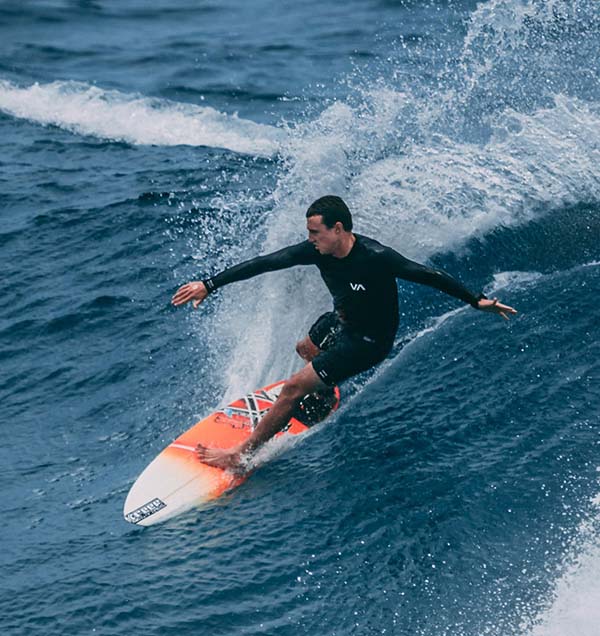
Private Maui surf lessons, Kihei – One-on-one instruction
Our Surf lessons are 100% focused on your surfing style and progress. You can easily fit the lessons into your trip. Our professional instructors will guide you step by step at Kalama Park in Kihei.
Duration: two (2) hours | From: $159
Level: Intermediate & advanced surfers
Included: Surfboard, leash, rashguard, booties
Book Your Surf Lesson NowBest Beaches for Sunrise Surf Lessons
Not all breaks are the same, especially for a beginner at sunrise. Best Maui surf lessons really make the most of these south shore spots:
Ukumehame (Thousand Peaks) & Guardrails: These places are located further south, going towards Maalaea. They have waves that are very consistent and are excellent for beginners when the swell is small. The two spots give you a slightly more “open ocean” atmosphere, but still are under your control.
The Cove Park in Kihei: This is, by far, the top spot for beginners on the island. A reef protects it, which results in small, gentle, rolling waves suitable for breaking in shallow water over a sandy bottom. It’s an ideal and safe place for your first sunrise surf lessons in Maui.
Lahaina Breakwall: Just a bit north of the historic Lahaina town, this place is surrounded by a breakwall from ancient times, which makes the waves long, slow, and predictable. It is another wonderful choice for people who have never surfed before and is the center for the surf schools with good reputations.
How to Choose a Surf School
An instructor is the determining factor of your experience. You can ensure the booking of a reputable company by following these steps:
- Certification & Safety First: A school with the best facilities and instructors who are CPR and First-Aid certified should be at the top of your list. Their motto should be safety and fun.
- Small Group Sizes: The best schools are the ones that take pride in maintaining the smallest student-to-instructor ratios (e.g., 4:1 or less). This is a guarantee of the personalized attention that you need to progress and flourish.
- All-Inclusive Equipment: A good school provides everything: soft-top boards, rashguards, and, most importantly, reef-safe sunscreen. Saving Maui’s delicate coral reefs is at the core of the school’s mission.
- Read the Reviews: Don’t be swayed by the star rating only. Go through the reviews that mention ‘sunrise lessons,‘ ‘morning surf,’ or ‘great with kids’ to get the most relevant feedback for family surf lessons.
Essential Tips for Your Sunrise Surf
Come ready to enjoy your morning with magic to the fullest:
- Wear: Swimsuit under your clothes. Bring a towel and a change of clothes for after.
- Bring: Water to keep you hydrated and a waterproof camera or GoPro if you have one (but check if the school provides photo packages).
- Sunscreen is a must: Even at sunrise! Make sure it is mineral-based and reef-safe for the protection of our ocean ecosystem.
- Manage Expectations: Everyone falls. Everyone drinks a bit of the ocean. The goal is to have fun and feel the aloha spirit, not to become Kelly Slater in one hour. Celebrate the small victories!
- Celebrate! After your lesson, the good vibes won’t go away. Take a trip to lovely Kihei Caffe or Slappy Cakes to enjoy a nice breakfast of macadamia nut pancakes or Hawaiian French toast that you definitely deserve.
Ready to surf into the sunrise?
Book your Sunrise Surf Lesson now and make your Maui morning unforgettable!
Read More
How to Surf for Beginners: Step-by-Step Tips to Catch Your First Wave(2025 Guide)
Riding the ocean waves can be a thrilling experience, but starting out with no idea can be daunting. However, you are in the perfect spot and definitely not alone. Surfing at a famous spot like Maui or even at your nearby beach can turn out to be an enjoyable and difficult task at the same time. Here you’ll get a full breakdown of how to start surfing the right way, including the gear you need, safety tips, technique drills, and the best places to catch your first wave. A dive into the water, one step at a time, let’s go!
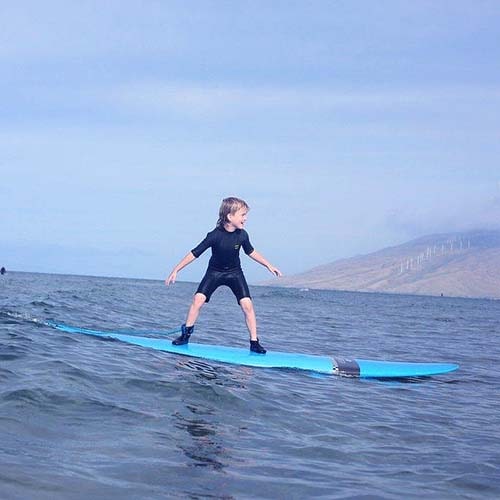
Maui Beginner Surf Lesson, Kihei
Our Surf Lessons are 100% beginner-friendly and a family-safe environment. Certified local instructors with years of experience. Small group size means more personal coaching and faster progress.
Duration: two (2) hours | From: $99
Level: Beginner to Intermediate
Included: Surfboard, leash, rashguard, booties
Book Your Surf Lesson NowWhat Kind of Surfboard Is Best for Beginners?
If you’re a beginner and want to learn surfing quickly, it will be very useful for you to choose the right surfboards. The most basic board that will give you maximum stability and easy paddling should be your first board. In this way, you will feel that you are walking safely even when the waves are small, and you will enjoy the learning process much more. This is why almost all instructors and surf schools suggest starting with a long, wide, soft-top board.
Here is what you should consider for your first surfboard:
- Length: A surfboard length between 8 and 9 feet is ideal for beginners because it is easier to balance on the board with a larger surface area.
- Material: A foam or soft-top surfboard is safer and more forgiving in case of a fall, which is a common situation (and completely normal!) at the beginning of learning surfing.
- Volume: More volume equals better buoyancy, so paddling becomes easier, and getting a wave without tipping over is also possible.
- Shape: Your stability during the pop-up with round noses and wide decks will be better.
When starting out, it’s not necessary to buy expensive equipment. It’s wise to rent a soft-top board, similar to those we use for the beginner lessons, which is an easy way to manage the budget. After that, you can try various figures and designs according to your progress in the sport.
Understanding Surf Conditions and Ocean Safety
Before getting into the water, the first thing you must do is understand the sea. Surfing is not only about the board; it is also about the perfect timing, the right wave, and your safety. For beginners, learning the breaks and selecting the ideal beach conditions will not only make your learning experience better; it will also keep you safe from dangers like the currents or the rocky breaks.
A few simple ocean safety tips for beginners are:
1. Begin with whitewater waves:
These are smaller, broken waves; hence, you can easily practice your balance and pop-up on them.
2. Opt for a sandy-bottom beach:
Do not go to the rocky or reef breaks at first. Sand breaks are safer and more forgiving when you fall.
3. Surf reports:
Always check the surf reports before you decide to go. Use tools such as Surfline or Magicseaweed to review wave height, swell direction, tide times, and wind speed.
4. Learn about tides and currents:
Surfing at low tide or during strong can be more risky and less predictable.
5. Do not go to crowded places:
The more surfers there are in one location, the more the chances of collisions, especially when you are still learning.
Never forget that the ocean is mighty and always changing. Respecting its pulse, being aware of your surroundings, and knowing your limits will help you build confidence and have fun in each session.
How Do You Practice Surfing Techniques Before Getting in the Water?
Practicing the fundamental steps of surfing on land before going into the water is one of the best ways to improve your skills quickly. These basic dryland exercises help you develop muscle memory, improve your balance, and provide you with a strong base for standing on the board when the wave arrives. Even though it might feel a little awkward at first, beach training can significantly raise your confidence and lessen your frustration during your first water sessions.
Recap the steps of the descent and paddling forehand on the dry ground. The surface of the sand is ideal as it is softer and less abrasive in case of falls. You can also use your board and do the face down position movement with your hands on the sand, pretending you are paddling and looking through the nose of the board.
Besides, once you master how to conceive the movement on flat ground, it is the perfect time to put it into the water and progress.
What to do on land before heading out to the sea:
- Pop-Up: Start by pretending to lie face down on a surfboard. Put your hands flat beside your chest, push up, and jump into a low, stable surfing stance with your knees slightly bent and your eyes looking straight ahead.
- Foot Placement and Body Position: Position your front foot roughly at the center of the board and place your back foot closer to the tail. Keep your shoulders relaxed and proceed with your arms extended for balance.
- Control Stance: Practice maintaining your weight evenly distributed and your chest facing sideways—this is very important for staying stable once you are up.
- Balance & Strength Training: Utilize yoga poses such as Tree Pose or Warrior II, or perform simple core exercises like planks and squats to build up your stability.
- Breath Awareness: Focused breathing can ease anxiety and concentrate attention, which is very supportive if you are going to paddle out for the first time.
Even just 10-15 minutes of doing these exercises before going to the water can make your first surf session easier and more successful. It’s all about rehearsing the actions that will be transferred to the ocean.
Paddling Out and Catching Your First Wave: Step-by-Step
First off, if you want to catch the wave that is your first one, you need to… go to the whitewater! This is the place where the waves have just broken. Be a little bit of an expert with the waves and time your paddle so that you start moving with the whitewater. Paddle with full power and determination, definitely don’t stop until you get that push from the wave under your board. This is your point to get up.
In that moment, keep your movements rapid but smooth and concentrate on staying low with your eyes looking ahead. Don’t rush the process or overthink it, even if you fall, every attempt teaches you something new. First time surfing is not solely focusing on the technique part. It’s also about adapting to the ocean’s beat, believing in oneself, and managing to be okay after a fall.
What Are the Most Common Mistakes Beginner Surfers Make?
Surfing progress can be accelerated by avoiding these mistakes:
- Ignoring surf etiquette: Don’t drop in on other surfers or paddle through their line.
- Looking down instead of forward: You will fall where your eyes go—keep your gaze up.
- Feet too close together: This causes instability. Stay wide for balance.
- Trying big waves too early: Start small to build skill and confidence.
- Skipping warm-up or stretching: Cold muscles = more risk of injury.
Private Maui surf lessons, Kihei
Our Surf lessons are 100% focused on your surfing style and progress. You can easily fit the lessons into your trip. Our professional instructors will guide you step by step at Kalama Park in Kihei. All equipment provided – just bring swimwear
Duration: two (2) hours | From: $159
Level: Intermediate & advanced surfers
Included: Surfboard, leash, rashguard, booties
Reserve Your Private Surf LessonBest Beginner-Friendly Beaches in Hawaii
If you are surfing in Hawaii, you are in one of the best places in the world to start. The warm water, the steady swell, and the neat beaches that are good for beginners have made the islands the ideal place for new surfers, especially for those in Maui. Here are some of the top spots:
Lahaina Breakwall (Maui)
- Why it is great: This place is great because it is surrounded by a harbor wall, so small and continuous waves are generated, and they are perfect for learning.
- Wave type: Soft whitewater and slow-breaking waves are good for the first time pop-ups.
- Best time: Early morning hours before the trade winds pick up.
- Extra tip: Local surf schools run their businesses right there on the beach, so it is not difficult to be part of a group or have a personal lesson.
Kihei Cove (Maui)
- Why it is great: The beach looks to the south and you will find calm waters and small waves that are very friendly to beginners.
- Wave type: Soft, rolling waves are the most suitable for the soft-top boards.
- Crowd factor: Although it is usually less crowded than Lahaina, it is less crowded on weekdays, mainly.
- Good for: Solo practice, families, and first-time surfers who are scared.
Ukumehame Beach Park (Maui)
- Why it’s great: Locally known as “Thousand Peaks,” the beach offers several surf breaks along the coast.
- Wave type: Long, mellow waves that come in slowly are really suitable for practicing your timing and stance.
- Bonus: You get to enjoy beautiful views of the West Maui Mountains and experience fewer people during the weekdays.
- Tip: Wear reef shoes; the bottom may be a bit rocky in some areas.
Launiupoko Beach Park (Maui)
- Why it’s great: The place is a shallow reef break that produces long, easy waves.
- Wave type: The waves are smooth and slow, just right for beginner longboarding.
- Facilities: There are restrooms, shaded picnic areas, and parking that make it very convenient for full surf days.
- Best for: Families that want to learn together, or any person who is willing to take their time and gain confidence.
Cove Park (Kihei, Maui)
- Why it’s great: Cove Park is a hotspot for surfing lessons in Maui. It is the most preferred place for a number of instructors because the beach has gentle waves, which are perfect for beginners, and also the easy access.
- Wave type: Small, crumbly waves that are perfect for learning the basic skills of surfing.
- Surf schools: There are several surf schools right off the beach where you can rent boards, get rash guards, and take lessons.
- Great for: Newbies who are absolute and want to go through the supported, structured learning.
What Extra Tips Can Help You Learn Faster and Stay Safe?
- Wear reef-safe sunscreen and a rash guard to protect yourself from sunburn and board rash.
- Go surfing early in the morning to get cleaner waves and fewer crowds.
- Take a surf lesson for your first session. It is definitely worth the money.
- Practice stretching before and after your surfing session to prevent cramps or stiffness.
- Keep your patience. Progress might feel slow at the beginning, but it gets quicker over time.
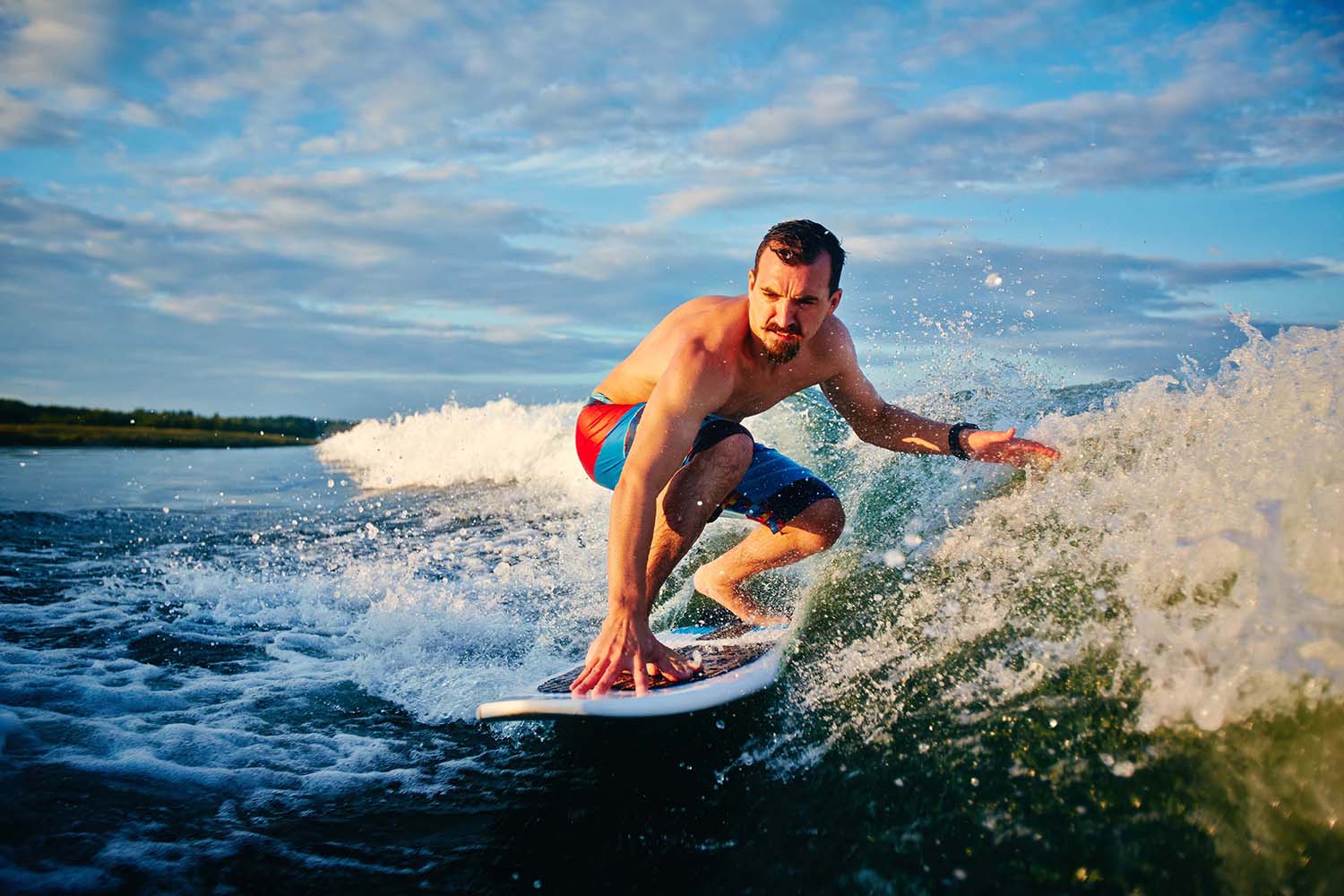
Best Time of Year to Learn Surfing in Maui
The best Time of Year to Learn Surfing in Maui depends on more than just the season; it’s about choosing the right conditions for your first wave. Are you in the midst of preparations for your first surfing lessons in Maui and at a loss about the perfect time to go? It shouldn’t matter to me much if you are visualizing gentle waves or you would like the water of the ocean to be a bit warm, timing is a thing that can make a great difference in your first surfing experience.
Being locals in Kihei, our instructors have worked with numerous novices, helping each to take his/her first wave, and we’ve been doing it for so long now that we want you to know everything about when is the best time of the year to learn surfing in Maui.
Why Maui Is a Dream Destination for Beginner Surfers
Maui is often referred to as one of the best places on the globe to start surfing, and the reasons behind that statement are numerous.
There are not many surf spots on Oahu’s North Shore that can compete with the gentle waves of South Maui beaches such as Kihei or Lahaina, where you can easily and safely get into the sea. Just perfect ones for the first experience!
Maui is the most suitable among other locations to begin surfing for a number of reasons. Clear details on how to surf in Kihei with experienced instructors? Sure! As we are ready to assist you- from you, testing the waves! Yes, you read it right. To you, standing up for the first time!
South-facing beaches are perfect for summer and usually have smaller, learner-friendly waves.
- What no need for a wetsuit when the ocean is so warm and tropical!
- What pool of skilled, friendly instructors like our team!
- One is at ease and can have fun at the same time in the beach towns like Kihei if they visit.
If you search for the possibility to take some surfing lessons with skilled trainers, go directly to Kihei. We are always available to give you a hand, starting from your first attempt to paddle out to your first stand-up ride.
When Is the Best Time to Surf in Maui for Beginners?
Although Maui is wonderful for surfing all the time, it is the absolute best period for beginners during late spring up to early fall, specifically, the months of May to September.
So, do you want to know why this particular period is the best for learners?
1. South Swells in Summer
At summer, the beaches that face the south like Kihei, Cove Park, and Kalama Beach, receive little swells from the Southern Hemisphere. These waves are gentle, can be easily predictable, and are perfect for learning.
2. Consistently Warm Water
Water temperatures are at 80°F (27°C) approximately in the summer. No wetsuit, no shivering—just you and your board, living the tropical life.
3. Smaller Crowds in Shoulder Months
April, May, September, and October practically the best conditions: not only you can find there but also there are fewer visitors, so you will have a larger practice area.
Maui surf lessons, Kihei
Ready to Catch Your First Wave? Book your beginner surf lesson at Cove Park or Kalama Beach today, perfect for first-timers!
🕑 Duration: two (2) hours | From: $99
✨ Included: Surfboard, leash, rashguard, booties
✔️ Free cancellation: up to 24 hours
Book Your Lesson Now →Surfing Maui Year-Round: What to Know by Season
Even if you are not visiting during the summer, you can still go surfing! The table will show how the conditions differ by season:
| Season | Beginner-Friendly? | What to Expect |
| Winter (Dec–Mar) | Sometimes | Bigger waves, especially on the north shore; some south breaks stay calm. |
| Spring (Apr–May) | Great | Warmer weather, increasing south swells—ideal for beginners. |
| Summer (May–Sept) | Best | Calm seas, gentle waves, perfect beginner surf at Kihei and Lahaina. |
| Fall (Oct–Nov) | Good | Mixed conditions, warm temps, great for returning learners. |
Local Advice: No matter the season, mornings are best for surfing. Winds are light, water is smooth, and your energy is fresh!
Best Beginner Surf Beaches in South Maui
Cove Park (Kihei)
Typically, our lessons are scheduled to conduct at this place. There, among the shallow, rolling waves, leisure and relaxed water access, and surfer newbies-ideal situations are representatives of the only benefits available in the location.
Kalama Beach Park
It is only a few steps away from Cove, and so, it is also ideal to do surfing/kayaking there. Families with small kids or newcomers to the ocean may also like this place. Also, this is the spot where dolphins show up in the early morning hours.
Launiupoko Beach (West Maui)
Launiupoko Beach on the Lahaina side is a lovely, tranquil beach that is suitable for beginners who are learning to surf with a longboard.
What’s Included in a Surf Lesson (Any Time of Year)
Driving to the beach is a much better idea since there are fewer people.
Whether it is in the month of July or in that of January, all Kihei surf lessons will be presented to correspond to the following steps as indeed very visible and really encouraging:
- On-land Instruction: Train how to pop up, paddle, and position.
- Ocean Awareness & Safety: Understand wave mechanics, safe practices on a reef, and an ocean.
- In-the-water Coaching: Your instructor will lead you into the ocean, help you to gauge your chance for the takeoff, and to encourage you when you do it (yes, it’s a very quick process!).
We supply all the surfers need for the occasion:
- Stoked out with a lot of joy
- Spectacular on the top surfboard
- A rash guard that protects you from the sun or a surf shirt
- Instructions given out by experts with licenses thereof
Ready to give it a try? Book your surf lesson here.
Related to our partners Tours & Experiences You Might Like
Surfing is just the beginning! While you’re in Maui, why not explore more of the ocean?
South Maui Kayak & Snorkel Tours – Paddle with sea turtles and snorkel coral reefs.
Stand-Up Paddle (SUP) Lessons – Calm, beginner-friendly option.
Value Tour Packages – Combine surf, snorkel, and kayak for the ultimate adventure at a discount.
Book Your First Surf Lesson in Kihei
- Small group & private lessons available
- Located right at beginner beaches like Cove Park
- Perfect for families, couples, or solo travelers
Reserve your spot now and let’s ride some waves—Maui style!
Maui surf lessons, Kihei
Join our Beginner Surf Lessons at Kalama Park, Kihei. Our professional instructors will guide you step by step at Kalama Park in Kihei.
🕑 Duration: two (2) hours | From: $99
✨ Included: Surfboard, leash, rashguard, booties
✔️ Free cancellation: up to 24 hours
Book Your Surf Lesson Now →