


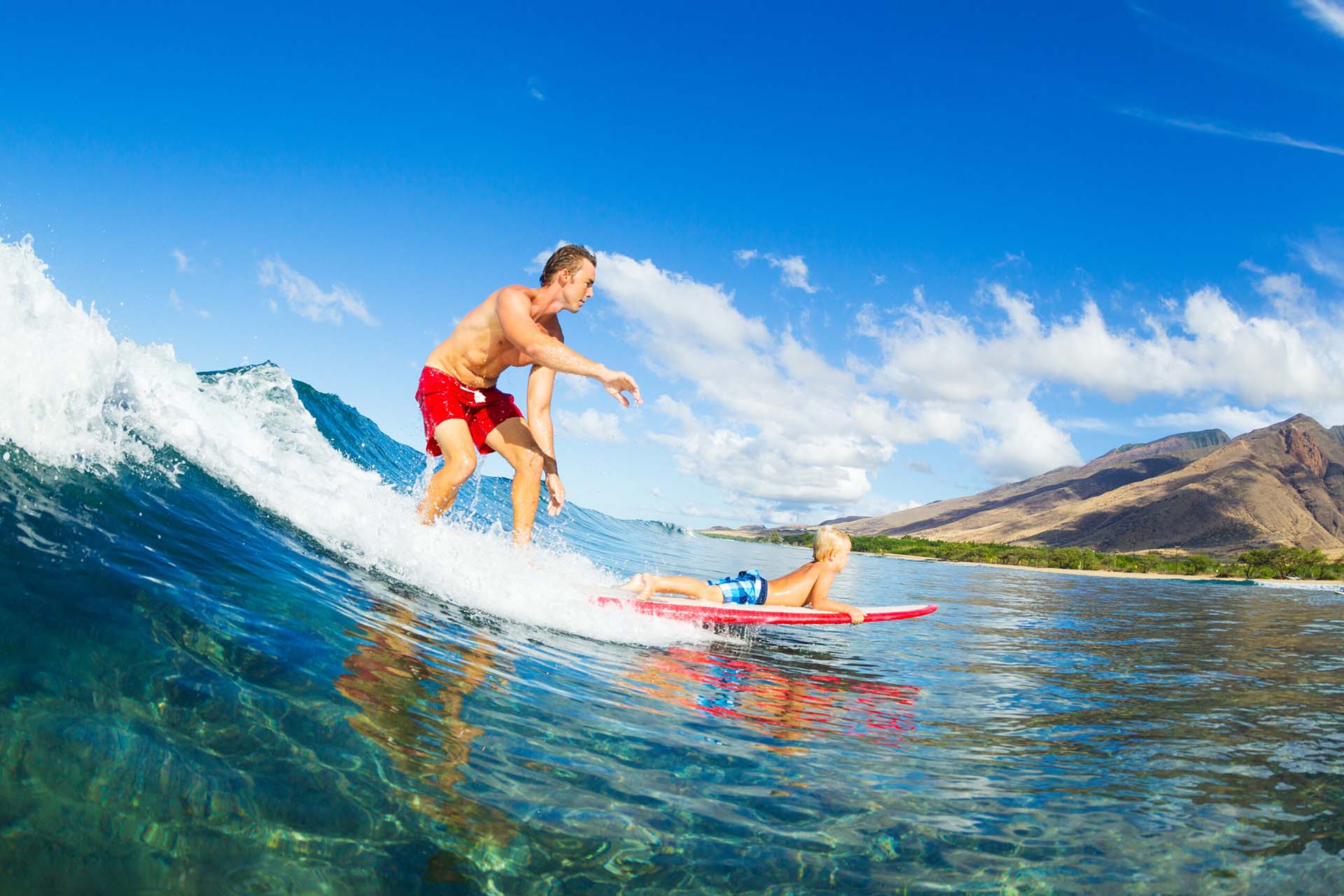
Why Kihei is the Best Place in Maui to Learn Surfing
One of the best ways to learn how to surf is to imagine that you are going through a series of dreams where you learn to surf in Maui, and yet, you come to the same conclusion that the name Kihei is what really matters. It is Kihei, the town in the sunny South Maui area, that is the most popular, with its calm and beginner-friendly beaches and its stable surf conditions. Regardless of whether you want to catch your first wave or simply increase your confidence level while riding the board, Kihei will give you the right combination of gentle waves, hot water, and sea instructors of the highest level who will be so glad to help you get up quickly on your very first ride.
Why is Kihei the best spot in Maui for surfing? Besides that, a longboard can be your best surfing partner. To be more acquainted with it, let’s take a deeper look.
Stability: The Secret to Beginner Success
For example, if you are a first-timer, the most important thing will be stability, and therefore, Kihei is your best place. The coastlines in this area, such as Cove Park and Kalama Beach, are beach breaks giving small, rolling waves that are just right for longboards (8 to 12 feet).
These boards allow you to have:
- Greater control, which is both while you are paddling and when you stand up
- A ride that is quieter, more forgiving, and lasts longer
- More time to familiarize yourself with the maneuvers before the wave disappears
At Learn to Surf Maui, we always start beginners on longer boards for maximum stability. When you get your feet on the board and feel comfortable, paddling and popping up will be like your second nature, and falls will take place a few side by side. The tranquil ocean surface of Kihei is the icing on the stability for the newbies.
Easy Paddling: Glide Effortlessly Through Kihei’s Warm Waves
Longboards are not only stable, but they are built for easy paddling. As these boards float better and move effortlessly through water, you will use less energy to get to the lineup.
At Kihei, the breaks are mild and the reefs are shallow, so you won’t struggle against strong currents. You will thus be able to have leisurely paddling sessions that keep your attention on what really matters: catching your next wave.
Many students report that paddling out at Kalama Beach Park feels as if they are gliding over a warm, turquoise swimming pool. It’s the perfect setting to build rhythm and endurance without tiring yourself out too quickly.
Forgiving Waves = Faster Learning
If you find yourself anxious for your first few tries, Kihei’s waves will be your best tutor. The local surf conditions are steady, gentle, and forgiving, just what newbies need.
By use of longboards, this process becomes more simple as you are able to pick up the smaller waves earlier, thus giving you a longer and more laid-back ride. You don’t need perfect timing or advanced technique. Kihei’s mellow surf and longer boards do half the work for you.
At Learn to Surf Maui, we provide each student with a longboard that is perfectly suited for them and utilize the gentle wave sets of Kihei. This pairing is the best way to quickly develop your self-assurance, which means every lesson becomes a success, even if you are a beginner and just learning how to stand.
Smooth and Relaxed Surfing Vibes
It is not only the skill of the surfer that makes surfing in Kihei is a great experience, but the surfer also needs to understand the island’s laid-back tempo. This is the atmosphere that longboards are made for. They are not made for high speeds or sharp changes of direction, but for stunning rides, soft turns, and uneventful wave running.
As a novice, your goal shouldn’t be to flaunt your abilities but to build a relationship with the sea. It is exactly what you can accomplish if you use the longboards and take pleasure in the peaceful environment of Kihei. You will be surfing longer and smoother waves while soaking up the sun of Maui and the sea’s vigor.
Room for Growth (and Endless Fun)
Longboards are not only suitable for beginners on the first day. As you develop, you have the opportunity to learn the great skills such as:
- Moving cross-steps to the front part of your board
- Walking on the front (a classic longboard move)
- Going along the small waves with your board, cutting perfectly
Longboarding in Kihei is still loved by many seasoned surfers, as the surf culture is calm and the waves are stable. Basically, if you get enchanted by longboarding here, you will be coming back time after time, even after your surfing abilities advance.
Why Kihei’s Conditions Are Ideal for Surf Lessons
Because it is on the south shore of Maui, Kihei is a surf zone that is very consistent throughout the year. The waves at this place are less in size and speed as compared to those at the North Shore breaks, such as Honolua Bay, which are ideal for experts.
The beaches in Kihei offer:
- Soft sandy bottoms (that are less frightening for beginners)
- Waves that are quite normal, thus making it simple to learn
- Warm, calm water with minimal crowds
At Learn to Surf Maui, our certified instructors make the most of the stunning conditions to get you to the next level faster. With the right support and a longboard, you will be up and smiling in no time.
Start Your Surfing Journey the Right Way
Learning to surf in Kihei isn’t just about catching waves—it’s about starting your Maui adventure on the right foot (or the right stance!). From easy paddling to stable longboards and forgiving waves, Kihei checks every box for a beginner-friendly surf spot.
Ready to ride your first wave in Maui?
Join us at Learn to Surf Maui for surf lessons in Kihei. Our team will set you up with the right longboard, teach you essential techniques, and make sure you’re having fun every step of the way.
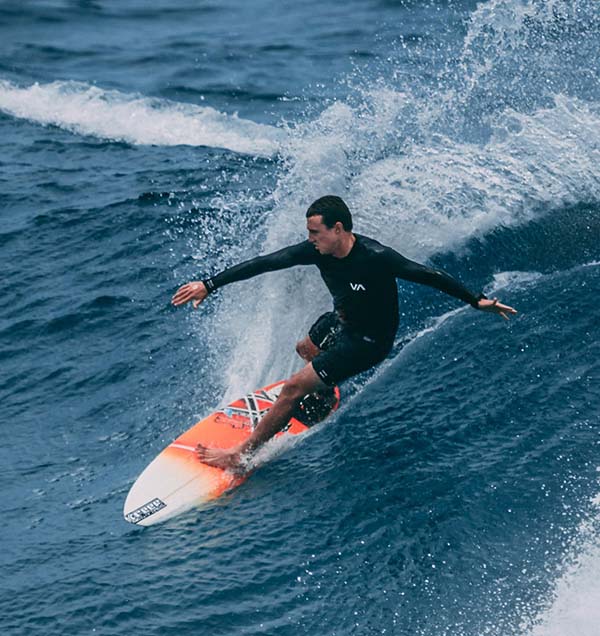
Maui surf lessons, Kihei
Learn to surf in Maui’s most beginner-friendly waves with certified instructors. Perfect for first-timers & families.
Duration: two (2) hours | From: $99
Level: Intermediate & advanced surfers
Included: Surfboard, leash, rashguard, booties
Book Your Surf Lesson Now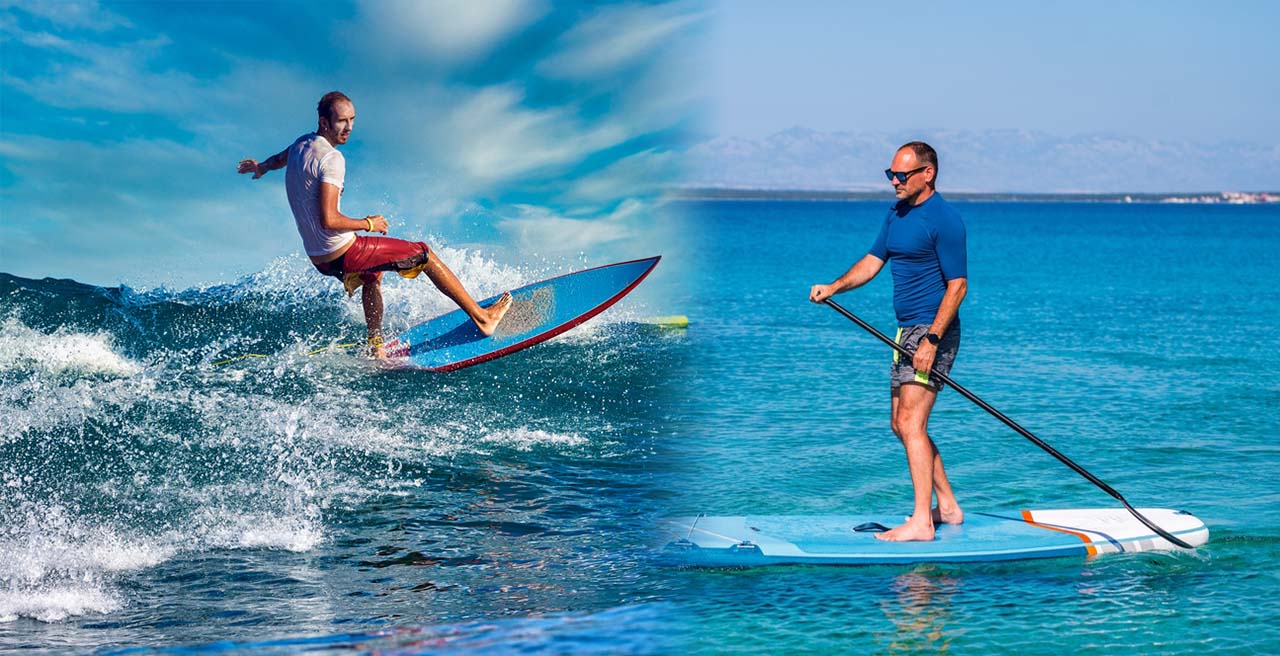
The Ultimate 3-Day Surf & SUP Itinerary in Maui
If you have ever wanted to experience surfing for the first time or glide over calm and warm water, then Maui is definitely the place where all your wishes will come true. With its world-class breaks that perfectly complement an array of beaches suitable for beginners, as well as some of the most incredible stand-up paddleboarding (SUP) locations globally, Maui is a great destination. The shore of the island features the ideal combination of serene lagoons for paddling, gentle waves for novices, and famous surf breaks for those looking for a challenge.
Are you a fan of surfing and stand-up paddleboarding? If so, we suggest 3-day fantastic itinerary that perfectly fits your needs. Besides the sea escapades, you will have a glance at the local culture, taste wonderful food, and visit the must-see places during your 3 days of stay. Also, a new visitor is welcome to benefit from the 3 days, or even a returning one who wants to experience the aloha spirit again.
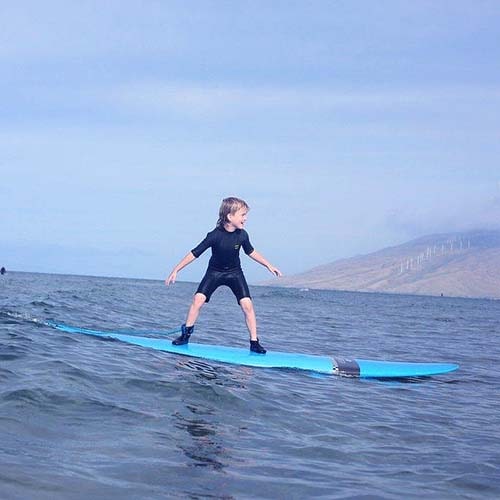
Surf and SUP Adventure – Maui Complete Experience
Our Surf & SuP Lessons are 100% beginner-friendly and a family-safe environment. Make the most of your Maui trip with our complete water adventure, combining the island’s best beginner surf lesson in Kihei, SUP lessons in Makena & Kalama.
🕑 Duration: two (2) hours | From: $99
✨ Included: Surfboard, leash, rashguard, booties, Expert guide
✔️ Free cancellation: up to 24 hours
Book Your Surf & Sup Lesson NowWhy Choose Maui for Surfing & SUP?
Maui’s not simply gorgeous, it was definitely made for ocean junkies. The island has regularly become one of the best places for surfing because of its warm, crystal-clear water and its regular swells. Meanwhile, the great runs can, by the sheltered bays, be excellent for paddleboarding, allowing even complete novices to have a go. The shore variance guarantees that one can always find the right setup whether it be riding gentle waves or swimming in a calm lagoon.
An additional reason for Maui’s distinctiveness is the large number of local surf schools and SUP guides. Qualified trainers provide the boards and safety for you in addition to your personalized instructions to learn fast and securely. Besides, the wonderful views you will have while paddling and surfing will be of the volcanoes that are the tallest in the world, the bright reefs, and the Hawaiian green sea turtles that are swimming under you. In brief, Maui is delivering a surf and SUP experience that is second to none anywhere else on earth.
Day 1: Learn to Surf in Lahaina
Day one starts with you visiting Lahaina, the old whaling town on the west side of Maui that has been ranked as one of the best places for beginners to catch a wave. The harbor at Lahaina offers small, smooth waves that are ideal for beginners to pick up the new skill, along with a beach with sand at the bottom where you can get wet without getting injured, and therefore making the whole process of learning the new skill easier and enjoyable. There are several surf schools on the beach, so it shouldn’t be difficult to book a lesson with a certified instructor of your choice.
Morning – Surf Lesson at Lahaina Harbor
Why not take a 2-hour surf lesson in Lahaina to get the ball rolling with your adventure? Apart from the instructors who will be by your side, taking care of your safety and comfort with the provision of soft-top boards and rash guards will allow you to concentrate solely on mastering the new skill. Practising your pop-up technique on the beach is how you will start before you actually go into the water and catch your first real waves. The place is perfect for beginners, and the conditions are very stable with soft swells during the whole day. Almost everyone figures out how to stand up and catch their first wave during just one lesson!
Afternoon – Explore Lahaina Town
The sea is an excellent place to build up your appetite; after that, you can have a stroll through Lahaina’s historic streets. This lovely town is packed with mellow cafés, healthy poke stops, and local boutiques. Take a walk at Banyan Tree Park, home of the second-largest banyan tree in America, if not the largest, that covers a whole street. The blend of surfing and Hawaiian culture history is the reason why you cannot skip Lahaina on your way to surf.
Evening – Sunset Paddle at Baby Beach
Finish your first day with a tranquil kayak at Baby Beach, one of the most peaceful places in Lahaina. The reef in the shallows creates a safe lagoon, ideal for stand-up paddleboarding at dusk. The amber light on the sea, coupled with sights of Lana‘i afar, turns this into one of the quietest SUP rides that you can ever have. In case you are fortunate, you may witness sea turtles gliding beneath your board.
Day 2: Paddleboarding & Ocean Adventures in Kihei
You move to the southern part of Kihei, a sun-soaked area of Maui with a beach that stretches for miles and water that is very calm in the morning. Because of its laid-back atmosphere, this place is very famous and is considered an excellent spot for paddleboarding, snorkeling, or just spending a lovely day at the beach with the family. Normally, the water is very calm in the morning, and hence the suggestion that one should go for a sea activity first and then explore the shore.
Morning – Sunrise SUP at Kalama Beach Park
If you want to make the most of your day in Kihei, my recommendation would definitely be to have a stand-up paddleboarding experience at Kalama Beach Park before it gets late, or, better still, at sunrise. In general, the ocean is pretty calm and very clear, so you are able to ride the reef with no problem at all and be amazed by the sea creatures that you can see through the water. The Hawaiian green sea turtles, the vibrantly colored fish, and, on occasion, the spinner dolphins that you may see are the perfect partners for a sunrise paddle next to Haleakalā volcano, where you can take in a wonderful Maui experience.
Afternoon – Snorkel & Relax at Kamaole Beaches
In case you were not exhausted after paddleboarding, then a great way to spend your afternoon would be to visit Kamaole Beach Parks (Kam I, II, and III). These beaches are great both for snorkelling and swimming, as there are several reefs just off the shore where you can see the colorful fish swimming in and out of the coral. Families love these beaches because they are safe, clean, and even more attractive with the row of palm trees. You can either bring your own food or take away from one of the restaurants in Kihei and have a nice and relaxing afternoon by the beach.
Evening – Dinner in Wailea
By the way, these are the things that you could do to wrap up your ocean escapade in Wailea. Local fish, freshly caught, served in a restaurant right next to the sea, or a Hawaiian plate that is simple enough for you to understand. Next, you were going to have dinner in Wailea, which is a town with great restaurants. Numerous restaurants offer live Hawaiian music and outdoor seating for their guests, so you can have your dinner while the sun is setting over the Pacific. It’s the perfect way to end a day of ocean adventure.
Day 3: Adventure on the North Shore
During your final day, travel to the North Shore of Maui, which is an area where the environment has not changed, and the zone is still under the influence of the beach culture. The area is quite famous for the surf that can be seen at Ho‘okipa and other places, but in the morning, the ocean is usually very still, and that makes it great for paddleboarding. Hence, you get to feel the energy of the surf center of Maui, however, you remain in a safe place for a novice.
Morning – SUP at Ho‘okipa or Baldwin Beach
First of all, you should definitely go to Ho‘okipa Beach Park, which is known worldwide for windsurfing and big-wave surfing, but shortly after sunrise, it is very quiet and calm. If the weather is nice and the sea is calm, you could take a paddleboard and enjoy a stunning view of the spectacular and rugged coastline. Moreover, you may go to Baldwin Beach, which is a large sandy beach, and you can have a calm SUP session there since the currents are calmer. In both spots, you can delight in Maui’s North Shore beauty without having any particular skills.
Afternoon – Explore Paia Town
A drive to Paia is nothing but a different experience. The beach town is rich in boutique shops, organic cafés, and an artsy, bohemian vibe. You can have a meal made from local products at a café throughout the town, get a smoothie, or buy unique souvenirs. Paia is the access point to the Road to Hana; if not driving the entire journey, it’s still a nice town to visit.
Evening – Farewell Sunset at Ka‘anapali Beach
Complete your Maui trip with a visit to the west side of Ka’anapali Beach, known as one of the most popular beaches on the island. At sunset, the water sparkles with a warm amber hue, making it an ideal setting for a last surfing or SUP ride. Hawaii lovers and travelers congregate at this beach to watch the sunset, and passing the day with a farewell to the island is an incredible experience. Storing the sight of the sun going down into the Pacific will be your recollection long after your journey.
Tips for Planning Your Maui Surf & SUP Itinerary
- Schedule surfing lessons in advance: The island of Maui is very popular, and the places are filled very quickly. So if you want to be able to use your own time conveniently, you have to book your lesson ahead of time.
- Depart early in the day: In the morning, there are light winds and calm seas that make surfing and SUP stand even easier.
- Take care of your health and the nature: Apply a sunblock that is safe for the reef, drink enough water, and while you are in the water, do not disturb the inhabitants of the sea.
- Be aware of your capabilities: The ocean in Maui can be quite different from what you expect, so it is better for you to always have a look at the surf reports and follow the advice of the locals.
- Combine with adventure and relaxation: Don’t fill your schedule completely—make sure to leave some time for the rest, the good food, and the enjoyment of the Maui’s drop-by-the-spirit.
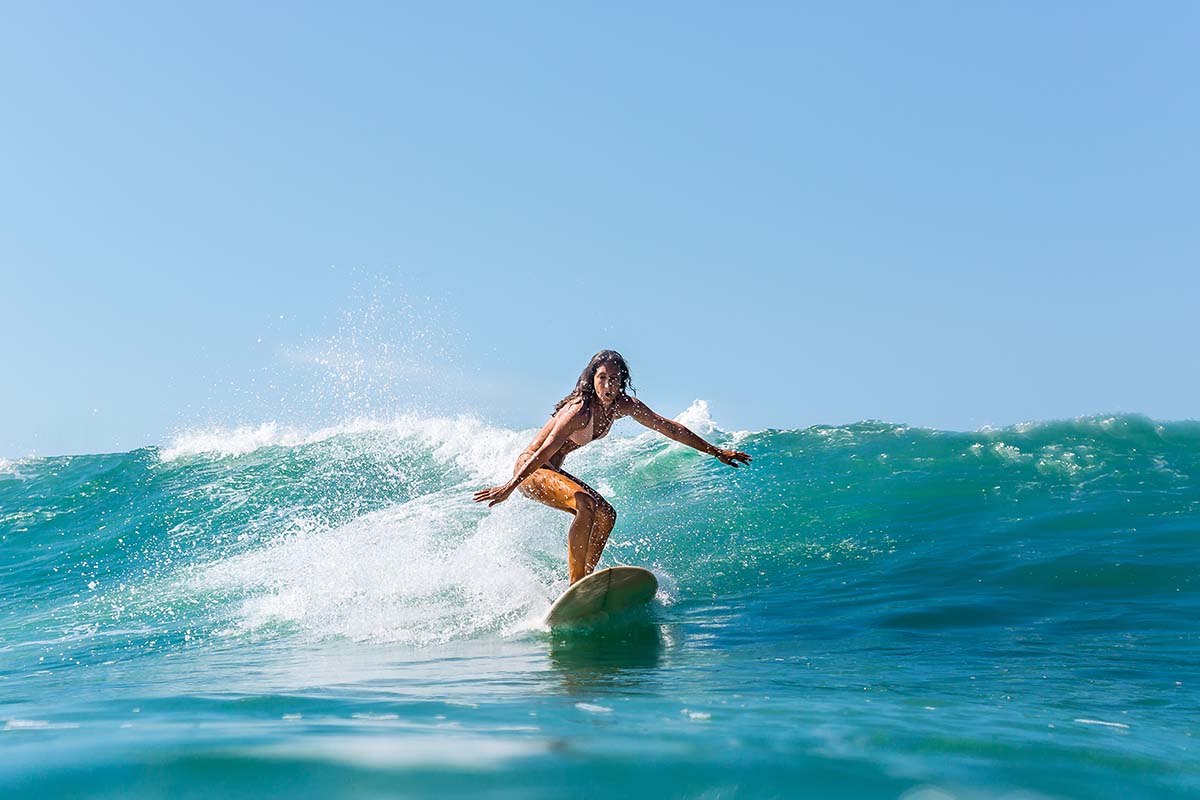
Surfing in Maui: Best Surf Spots + Hidden Breaks Only Locals Know
Surfing in Maui used to be more than just a sport; it was the culture of Hawaii. With its sunny tropical sea, picturesque coastlines, and riding the wave for every level, the island is now a world surfing spot. However, there are a lot of surfers who are unaware of those secret and least known surf breaks that are the locals’ friends. The secret places, which are not accessible to tourists, provide the authentic and tranquil surfing that you might never forget. We’re going to find out what the best beginner beaches, the most extreme surf breaks, and the hidden gems that make surfing in Maui are really like in this guide.
Why Surfing in Maui is World-Famous
Maui is known as the one that can satisfy every surfer on the planet. The beginners can start the surfing on quiet sandy beaches, whereas professional surfers are able to surf top reef breaks that challenge their abilities. Swells are there throughout the year, so the waves can always be caught, and the island’s sceneries – volcanic mountains, gold sunsets, and turquoise waters – turn a surf session into a fairy tale. The pure enjoyment of the sea, plus the involvement of local Hawaiian surf culture, a perfect blend of sport, tradition, and nature, makes a stay here unforgettable.
What makes Maui a world-class surf destination
Regular sightings of turtles and even whales during the winter.
- A large range of surf spots, that includes those suited for beginners as well as expert-level.
- Waves that don’t miss a day throughout the year.
- Great setup for the beginners, the intermediates, and the pros.
- Strong cultural connection with ancient Hawaiian surfing traditions.
Best Beginner Surf Spots in Maui
If you wish to learn how to surf in Maui, I can tell you that this is an amazing experience, which is mainly due to the fact that the island offers some great beginner-friendly beaches having mellow waves, sandy entries, and open surf schools. Such places are created to support the idea of getting first-time surfers to not only stand up on a board but also to be able to ride their first wave in the safety of an environment. Moreover, the clean and very warm water adds to the enjoyment of every session, while the gentle surf ensures that advancement comes quickly. Therefore, anybody from families, kids, or adults would be able to consider these beaches as a perfect starting point of Maui’s vibrant surfing culture.
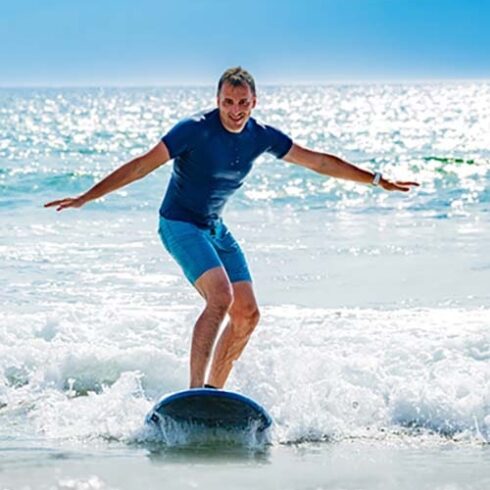
Maui Beginner Surf Lesson, Kihei
Experience the calm morning waves and breathtaking views — perfect for beginners and adventure seekers alike. Join our certified instructors for a safe, fun surf lesson in Lahaina or Kihei!
Duration: two (2) hours | From: $99
Level: Beginner to Intermediate
Included: Surfboard, leash, rashguard, booties
Book Your Surf Lesson NowLahaina Breakwall (West Maui)
Lahaina Breakwall stands out as one of the preferred locations for novice surfers mainly because it provides stable, mild waves in a playful and social environment, which is always very much appreciated by beginners. Situated not far from the Lahaina Harbor, it is encircled by surf schools offering lessons that make it really convenient for first-timers to start their journey. The sand bottom and calm waves give the opportunity to try out standing, balancing, and paddling without the need to be worried about their safety. The mood is lively yet friendly, which means that the beginners are at ease with their surroundings from the very beginning.
Why Lahaina Breakwall is the best spot for beginners
- Mild, rolling waves that suit first-time surfers perfectly.
- Sandy bottom and several safe entry points.
- Surf schools encircled by rentals and instructors.
- Located in the heart of Lahaina with easy access.
- Fun, social atmosphere with other learners.
Kihei Cove (South Maui)
Kihei Cove is a small beach that is perfect for beginners and has some of the softest and most forgiving waves on the island. Because the water is shallow and sandy at the entrance, kids and new surfers can easily paddle out, while the mellow surf offers long rides that help build confidence. Additionally, Kihei is famous for its sunny weather, so conditions are usually calm and consistent. Those who want to learn in a relaxed, uncrowded spot with beautiful coastal views will love this place.
Why Kihei Cove is great for learning
- Small, soft waves that were easy to catch.
- Shallow sandy entry makes it safe for kids.
- Sunny South Maui weather brings consistent conditions.
- Not as crowded as the other popular surf beaches.
- Perfect for families and first-time surfers.
Kalama Beach Park (South Maui, Kihei)
Surfing newbies often refer to Kalama Beach Park as “training ground” due to the stable surf and easy accessibility that make this spot a paradise for practice. The waves at this beach are soft and steady, which gives the beginners the opportunity to paddle, pop-up, and ride the board repeatedly. In fact, there are many surf schools and you can easily take lessons or rent the surfboard right at the beach. The park, with its grassy meadows, shady spots, and facilities, makes it a great place for families who want both comfort and adventure.
Why beginners love Kalama Beach Park
- Waves that are consistent and beginner-friendly for practice.
- A great number of surf schools with board rentals.
- The surf zone with a bottom of sand is safe.
- The amenities of the park, such as shade and restrooms, are nearby.
- An attractive, lively place with a friendly community vibe.
Puamana Beach Park (near Lahaina)
Puamana Beach Park is a silent, easy surf spot that lies just south of Lahaina. The little waves are very suitable for children, longboard riders, and people who have never surfed before, and are looking for a place where they can easily learn. The slow and forgiving waves allow beginners to concentrate on their balance and technique as if no pressure existed in the background. Puamana Beach exudes a laid-back local spirit; thus, it is less scary than the other busier surf breaks. Many families opt for Puamana because it is a safe place for surfing and also has an area with grass under the trees for a picnic.
Why Puamana is a good choice for beginners:
- Waves that are small and slow make it easy for beginners to ride.
- Surfing is great for kids, families, and longboarding.
- The mood is tranquil, and there are no crowds.
- The park, with its shade, is a comfortable place for rest and having a picnic.
- It is very close to Lahaina; however, Puamana is not crowded at all.
Launiupoko Beach Park (West Maui)
Launiupoko is the best place to go with your family and a great place to learn to surf for beginners. Here, the waves that come in are long and smooth, so the learners can stand up and ride for a prolonged distance. At the tide pools near the shore, it is safe for the little ones to play as the parents go surfing, and the park with shade is just right for picnics after surfing. The community spirit at Launiupoko is friendly, and the amazing sunsets are the reason why it is one of the most wonderful places to learn surfing in Maui.
Why Launiupoko is beginner-friendly
- Soft, smooth waves that allow for extended rides.
- Family-oriented with secure tide pools for children.
- Calm and friendly local community atmosphere.
- Perfect for longboarding and first-time surfers.
- Beautiful sunsets for a perfect end to the day.
Private Maui surf lessons, Kihei – One-on-one instruction
Our Surf lessons are 100% focused on your surfing style and progress. Our professional instructors will guide you step by step at Kalama Park in Kihei. Whether you’re staying near Lahaina or Kihei, our local instructors will get you standing up on your first wave — guaranteed!
Duration: two (2) hours | From: $159
Level: Intermediate & advanced surfers
Included: Surfboard, leash, rashguard, booties
Book Your Surf Lesson NowAdvanced Surf Breaks in Maui (For Experienced Surfers Only)
Maui is home to the world’s most amazing and difficult surf breaks. The big waves in Maui are not just for fun, as they require a lot of power, skill, and respect to be ridden. Due to the combination of razor-sharp reefs, strong currents, and big swells, the breaks have become a magnet for professional surfers from all corners of the globe. Each location has its own unique character, from perfectly peeling point breaks to giant waves that can only be ridden with the help of tow-in surfing. So, if you are an experienced surfer seeking a challenge and fame, then these are the ultimate test centers.
Honolua Bay (Northwest Maui)
Honolua Bay is often referred to as one of the jewels in the crown of Hawaiian surfing. The famous long, strong right-hand point break that runs for around a hundred yards or more is what makes it so popular. Furthermore, the wave quality here is as good as it gets, with several sections that allow the advanced level of surfers to perform turns, get inside the tube, and display their skill and style. The bay is also wonderful, with the green cliffs that overlook the surf and make it even more legendary. Winter swells from November through March are considered the best surf season here.
Why surfers love Honolua Bay
- The most famous right-hand point break with world-class rides.
- Several sections suitable for getting inside the tube, doing turns, and speed runs.
- Surf is most powerful and consistent during winter swells.
- Needs the bravery and skill of the surfer—both the reef and crowd make it difficult.
- Beautiful bay with cliffside views that offer a 360-degree perspective.
Peʻahi (Jaws, North Shore Maui)
Peʻahi, or “Jaws” as it is more popularly referred to, is one of the top ten most famous big-wave surfing locations of the globe. When winter swells get to the Maui shore, waves can get as high as 40–60 feet or even more, thus creating a spectacle that draws not only professional surfers but also global media. This is a tow-in surfing area where only the most daring ones are out there trying to ride these gigantic walls of water.
Jaws is now just another surf break; however, it is the extreme athleticism, risk, and human feat that stage these things that are the only things to be seen. It is also a fantastic experience for the non-surfers who are watching from the cliffs above.
Key Features of Peʻahi (Jaws)
- Giant waves get as high as 40–60 feet during peak swells.
- Everything like tow-in surfing and at least pro-level experience is necessary.
- It is an extremely risky reef with dangerous currents and life-threatening situations.
- It is a world stage setting for the elite professional big-wave surfers.
- During the winter, it is a beautiful spot from where one can watch the waves.
Ho‘okipa Beach (North Shore Maui)
Ho’okipa is the heartbeat of the North Shore surfing culture and an advanced surfers’ attraction. Once being a place of consistent reef breaks, strong currents, and tricky parts, it still requires experience and respect. The waves here are strong, quick, and at times, unpredictable, so it becomes a place to test local talents and visiting pros. Ho’okipa has been renowned for windsurfing and kite surfing as well, which has been adding to its fame as a beach full of high-energy and action-packed.
Why Ho’okipa is a must for advanced surfers
- Consistent reef breaks that even tested riders will find challenging.
- Strong currents and the sharp nature of the bottom of the reef.
- Spot that was frequented by both surfers and windsurfers.
- Getting the best during winter swells for big, powerful waves.
- A center of Maui’s surf culture and competitions.
Maʻalaea (South Maui – “Freight Trains”)
The nickname of Maʻalaea is “Freight Trains”, and it is not for nothing that it is one of the fastest waves to the right in the whole world that this spot generates. If a powerful summer south swell comes in, the wave can peel for almost a mile, making the rides go at lightning speeds that test speed, accuracy, and control. Due to its unique and strong reef set-up, hitting Maʻalaea at its peak is an event that the surfers present there consider a gift. This is not a break that you can see daily, but when it goes off, it is awesome.
What makes Maʻalaea special
- Considered one of the fastest waves on the planet.
- During a big summer south swell can peel up to a mile.
- The need for rapid response and super-high surfing skills.
- It is rare but unforgettable if the stars align.
- The steep reef and the fast sections make the spot even more difficult.
Hidden Surf Breaks Only Locals Know
Whereas Maui’s beaches can be crowded with visitors from far and wide, those who live there know the secret of a real surfing haven, with hidden breaks free from the tourist traffic. These lesser-known surf spots offer long rides, tranquil waters, and an opportunity to catch waves just like the islanders. Although they are not always easily accessible, anyone willing to discover them will be rewarded with the following benefits that cannot be compared to anything else: low lineups, real vibes, and a more profound feeling of the island. Suitable for longboarders and intermediate surfers, these breaks are the core of Maui’s surf culture.
Why hidden breaks are special
- Quieter surf sessions away from tourist hotspots.
- Long rides that are perfect for longboarding.
- Best enjoyed during summer’s south swells.
- Early mornings provide glassy, uncrowded conditions.
- A chance to experience surfing the way locals do.
Surf and SUP Adventure – Maui Complete Experience
Our Surf & SuP Lessons are 100% beginner-friendly and a family-safe environment. Make the most of your Maui trip with our complete water adventure, combining the island’s best beginner surf lesson in Kihei, SUP lessons in Makena & Kalama.
🕑 Duration: two (2) hours | From: $99
✨ Included: Surfboard, leash, rashguard, booties, Expert guide
✔️ Free cancellation: up to 24 hours
Book Your Surf & Sup Lesson Now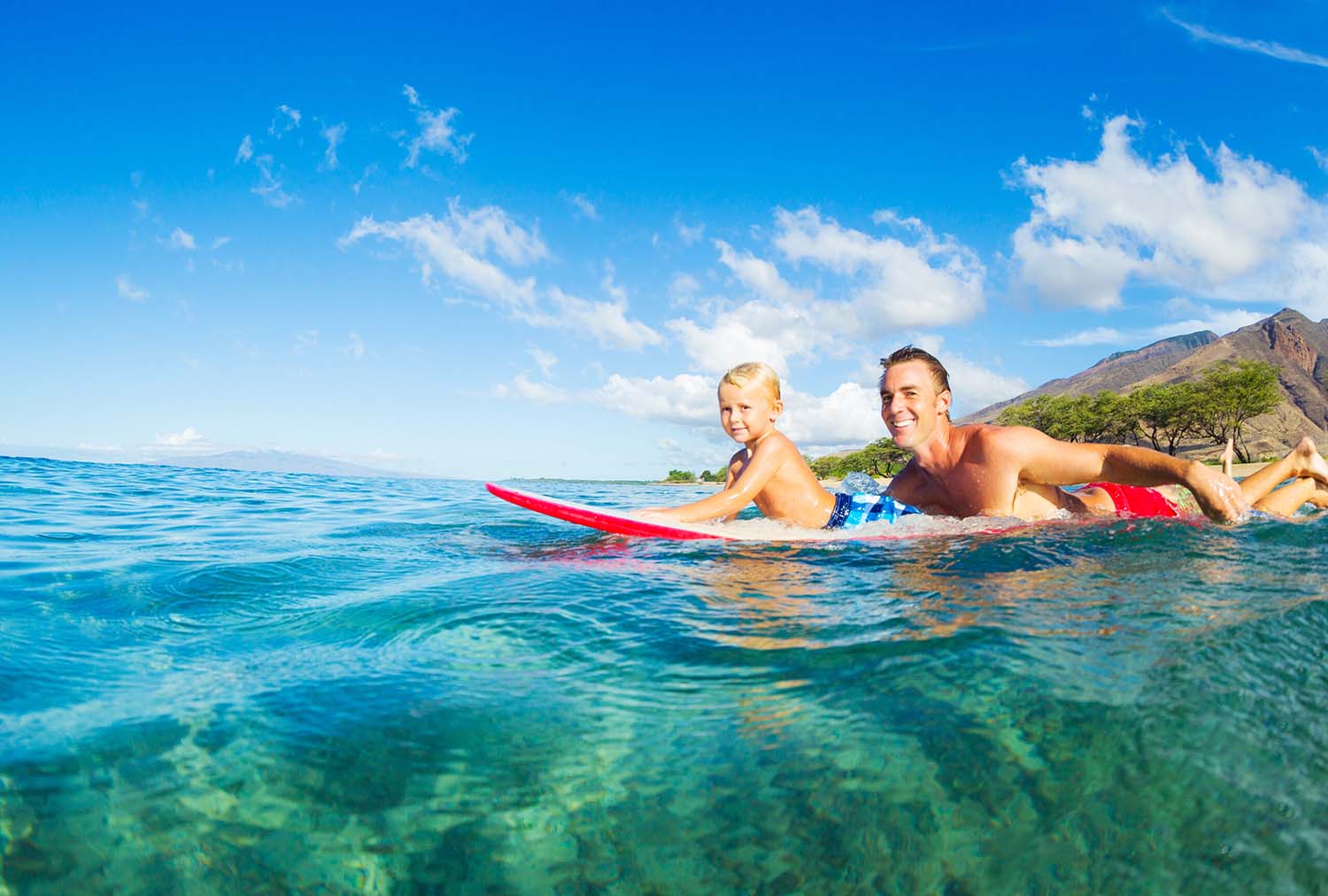
Sunrise Surf Lessons – The Perfect Way to Start Your Day in Maui
Imagine this: the entire globe is still in a slumber, dappled with shades of light violet and dark blue. The only noises that can be heard are the soft and regular wave crashes on the black volcanic beach and the far-off cry of a seagull. The atmosphere is hot and is filled with the lovely, flowery smell of plumeria. Now, imagine not only seeing this wonder but also being part of it, flying over the smooth, sun-dowered sea as the sun rises above the horizon. It is not a dream anymore; this is what a sunrise surf lesson in Maui has in store for you. It’s more than an event, it’s a soul-stirring ritual, a perfect union with the island’s vibe that will be the peak of your whole vacation.
Maui Beginner Surf Lesson, Kihei
Experience the calm morning waves and breathtaking views — perfect for beginners and adventure seekers alike.
Duration: two (2) hours | From: $99
Level: Beginner to Intermediate
Included: Surfboard, leash, rashguard, booties
Book Your Surf Lesson NowWhy a Sunrise Surf Lesson is Unbeatable
Though surfing is always allowed, a sunrise session is on another level. Below are the reasons why being on your board first thing in the morning is the ultimate Maui experience:
- Calmest Conditions of the Day: The morning air is usually still, which means lighter winds and those famous “glassy” ocean conditions. For a beginner, this means that the waves are smoother and more manageable, so you can learn with ease.
- Unbeatable Natural Beauty: Just imagine yourself sitting on your board, waiting for a wave as the sky turns into a colorful spectacle of orange, pink, and gold over the endless Pacific or behind the impressive West Maui Mountains. Such an amazing view is not even possible in the best five-star resorts.
- Beat the Crowds & The Heat: You’ll be able to enjoy the beach almost all by yourself, as it will be shared only with a few locals who are really dedicated and other sunrise chasers. Moreover, you will also be able to finish your lesson before the strong midday sun reaches its peak, thereby avoiding the worst of the UV rays and the afternoon crowds.
- Make Yourself Proud for the Whole Day: There is an astounding feeling of strength in you when you start your day by overcoming your fear, acquiring a new skill, and establishing a bond with the nature around you. That exhilaration of adrenaline and pride will be the positive energy that will stay with you for a long time after you have left the water.
What to Expect: A Step-by-Step Guide to Your Sunrise Surf
The Pre-Dawn Check-In
When the first light of the day is just starting to show, you will meet your aerobic-trained instructor by the beach. You can feel both the calm and the thrill in the air, a moment worth experiencing. Probably, you will be dressed in a rashguard (for protection against the sun and the board) and reef booties if they fit your feet. Your instructor will provide a high-quality, stable soft-top longboard, the most forgiving and easiest to learn on.
The Land Lesson: Your Foundation for Success
Without touching the water, the instructor will explain the surfing method right there on the sand. This is the most important part! You will be taught ocean safety, carrying the board, paddling in an efficient way, and just the most enjoyable part, the “pop-up.” Practicing the same muscle memory on a hard surface training makes it so much easier to perform when a wave is beneath your board.
Hitting the Water: The Magic Moment
The time has come. Your instructor will definitely be beside you, paddling out and giving you the necessary support and advice. The sea is actually very nice and comforting. When the sun hits your back, you are going to feel the ocean’s beat. At that moment, your instructor will see the right wave for you, give you a push, and yell “Pop up!” The experience of your first wave catch, the standing up, the ride towards the sun with the water passing quickly under your feet, is absolute delight with no compromises. It is a feeling of liberation that will remain in your memory forever.
Post-Session Glory
Once an hour or so in the water, you will be paddling back to shore filled with adrenaline. Usually, a photographer will be at the school to capture and take pictures of you for that legendary moment when you are surfing. You will be exchanging high-fives with your companions, telling anecdotes, and reveling in the fantastic feeling that you have. You really have done surfing in Maui!
Private Maui surf lessons, Kihei – One-on-one instruction
Our Surf lessons are 100% focused on your surfing style and progress. You can easily fit the lessons into your trip. Our professional instructors will guide you step by step at Kalama Park in Kihei.
Duration: two (2) hours | From: $159
Level: Intermediate & advanced surfers
Included: Surfboard, leash, rashguard, booties
Book Your Surf Lesson NowBest Beaches for Sunrise Surf Lessons
Not all breaks are the same, especially for a beginner at sunrise. Best Maui surf lessons really make the most of these south shore spots:
Ukumehame (Thousand Peaks) & Guardrails: These places are located further south, going towards Maalaea. They have waves that are very consistent and are excellent for beginners when the swell is small. The two spots give you a slightly more “open ocean” atmosphere, but still are under your control.
The Cove Park in Kihei: This is, by far, the top spot for beginners on the island. A reef protects it, which results in small, gentle, rolling waves suitable for breaking in shallow water over a sandy bottom. It’s an ideal and safe place for your first sunrise surf lessons in Maui.
Lahaina Breakwall: Just a bit north of the historic Lahaina town, this place is surrounded by a breakwall from ancient times, which makes the waves long, slow, and predictable. It is another wonderful choice for people who have never surfed before and is the center for the surf schools with good reputations.
How to Choose a Surf School
An instructor is the determining factor of your experience. You can ensure the booking of a reputable company by following these steps:
- Certification & Safety First: A school with the best facilities and instructors who are CPR and First-Aid certified should be at the top of your list. Their motto should be safety and fun.
- Small Group Sizes: The best schools are the ones that take pride in maintaining the smallest student-to-instructor ratios (e.g., 4:1 or less). This is a guarantee of the personalized attention that you need to progress and flourish.
- All-Inclusive Equipment: A good school provides everything: soft-top boards, rashguards, and, most importantly, reef-safe sunscreen. Saving Maui’s delicate coral reefs is at the core of the school’s mission.
- Read the Reviews: Don’t be swayed by the star rating only. Go through the reviews that mention ‘sunrise lessons,‘ ‘morning surf,’ or ‘great with kids’ to get the most relevant feedback for family surf lessons.
Essential Tips for Your Sunrise Surf
Come ready to enjoy your morning with magic to the fullest:
- Wear: Swimsuit under your clothes. Bring a towel and a change of clothes for after.
- Bring: Water to keep you hydrated and a waterproof camera or GoPro if you have one (but check if the school provides photo packages).
- Sunscreen is a must: Even at sunrise! Make sure it is mineral-based and reef-safe for the protection of our ocean ecosystem.
- Manage Expectations: Everyone falls. Everyone drinks a bit of the ocean. The goal is to have fun and feel the aloha spirit, not to become Kelly Slater in one hour. Celebrate the small victories!
- Celebrate! After your lesson, the good vibes won’t go away. Take a trip to lovely Kihei Caffe or Slappy Cakes to enjoy a nice breakfast of macadamia nut pancakes or Hawaiian French toast that you definitely deserve.
Ready to surf into the sunrise?
Book your Sunrise Surf Lesson now and make your Maui morning unforgettable!
Read More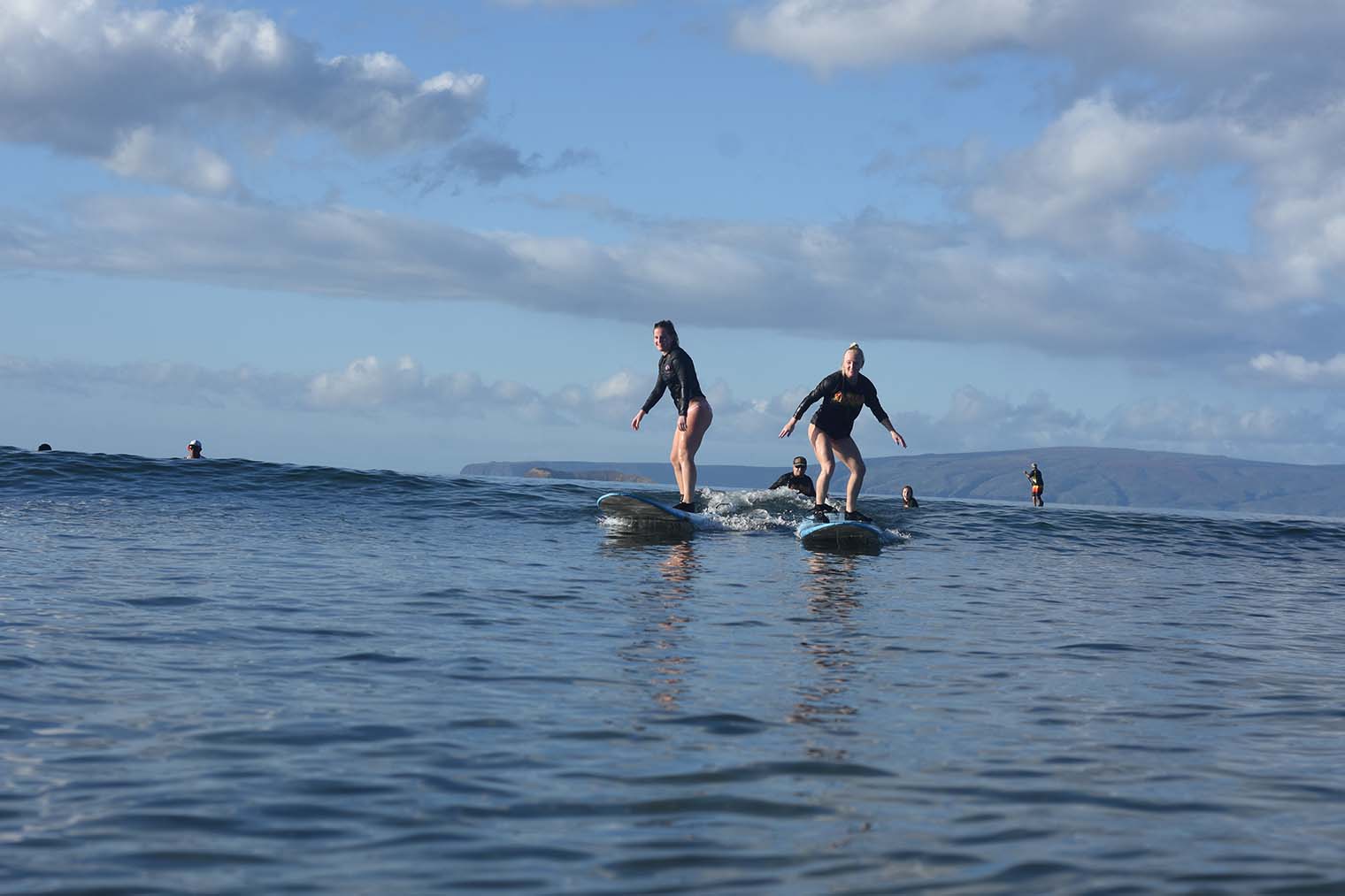
Best Time of Year for Surfing in Maui – Wave & Weather Guide
Maui is a dream for surfers with its warm water, regular swells, and a good mix of easy waves and really good waves that break on the reef. However, if you have a surf trip to the Valley Isle in mind, getting your timing right is key. The optimal time to surf in Maui varies according to your skills, the kind of waves you want, and the side of the island you plan to visit.
This comprehensive guide to Maui surfing weather and waves will help you understand the best surfing months, seasonal conditions, and water temperatures, and provide you with insider tips to get the perfect wave.
Maui Beginner Surf Lesson, Kihei
Learn surfing in Maui’s warm, calm waves, perfect for first-timers. Certified local instructors with years of experience. Small group size means more personal coaching and faster progress.
Duration: two (2) hours | From: $99
Level: Beginner to Intermediate
Included: Surfboard, leash, rashguard, booties
Book Your Surf Lesson NowMaui Surf Seasons at a Glance
Maui’s surf is influenced by its location and the types of waves that come in. The island gets large surf from the north in the winter, coming down from the Pacific, and big waves from the south coming up from the Southern Hemisphere in the summer, while spring and fall are change points with waves coming from different directions. So, it’s always possible to find a spot for surfing on the island, at any time of the year.
During winter, Maui becomes the focus of risk-taking, skilled surfers looking for a chase of a big wave, whereas the summer period turns the South Shore into a fun area for beginners. Spring and fall offer the place in between—rays of sun with few people around, so they are excellent for practice and skills improvement.
First-timers can figure out which beach would be the best for them and, at the same time, have the most fun and the least amount of risk by simply being aware of how the seasons change and choosing the coast and beach that match their skill level.
Winter (November – March) – Best for Big Waves
In winter, the North Shore of Maui transforms into a giant playground for advanced surfers. Those amazing spots where experts only go, like Ho‘okipa Beach Park and Honolua Bay, become vibrant with them chasing these incredible waves. Maui is the place to be if you want to be in the middle of the world’s surf season, grabbing the attention of other professional surfers, cameras, and also very adventurous people.
Wave Conditions: Waves of 8–20 ft (and sometimes even bigger) are what you can expect on the North Shore almost every day. These waves are so heavy and fast that they usually break over the coral, so it is really dangerous for you if you are a new surfer. Also, the currents can be strong, and the conditions can change rapidly.
Best For: Those who have very good skills and want to surf these big waves, or people who want to watch the spectacle from a safe place. Newbies should not even think about going in these areas; better off with some quiet beaches on the South or West coasts.
Weather: Daytime temperatures will typically remain around 70–80°F. However, winter appears to be a rainier and windier season, especially on the North Shore. The additional wind not only produces challenging conditions but also creates stunning surf spectacles.
Tip: It is always advisable to consult local surf reports before going out. Even advanced surfers might find themselves surprised by the gigantic winter waves of Maui.
If you are not into surfing, the North Shore is still an excellent destination during the winter season to watch some of the most powerful surf in the world. It is a stunning view that demonstrates the ocean’s raw energy in Maui.
Spring (April – May) – Calm Waves & Ideal Learning Conditions
Spring is a time to change the season when surfing in Maui. The waves from the north shore have started to lose their power, and not much surf has come from the south shore yet. This means that most waves at this time are smaller and can be easier to handle by beginners. So, it is the perfect timing for a few surf lessons, practicing the skills, and having an amazing surf and relaxation balance.
Wave Conditions: Normally, the waves are between 2 and 6 ft with easy takeoffs and longer rides. The stability of the swell might not be as good as in summer; however, the conditions are still friendly for progression.
Best For: Beginners and intermediates who want to become more confident and do not feel the bother of having too many people around or big waves. Also, it’s perfect for families with children who want to start their kids surfing.
Weather: The weather is warm and beautiful with sunny skies. Daytime temperatures are around 75–85°F (24–29°C). Light winds result in calm or glassy conditions for the morning, and the ocean is also calm for snorkeling and paddleboarding.
Tip: It is best to arrange your surfing lesson in either Lahaina or Kihei. Both places are characterized by reef breaks and thus are perfect for beginners. Moreover, in spring, there are fewer people compared to summer, and hence, you will have more time on the waves.
Furthermore, spring in Maui is a great period to go for different activities on the island, for instance, snorkeling at Molokini Crater or hiking up Haleakalā. This is because the weather is pleasant and the beaches are less crowded.
Summer (June – August) – South Shore Surfing Paradise
Summer in Maui’s South Shore (Lahaina, Kihei, Ma’alaea) is the time when waves from the Southern Hemisphere provide consistency and fun to the locals and visitors of the area. The sea is not too rough; waves are usually between 3 to 8 feet and offer smooth and rideable walls. Launiupoko is an excellent spot for beginners since it is especially forgiving.
In terms of who can make the most of this season, one could say it is designed for beginners, SUP surfers, longboarders, and families looking for safe but exciting waves. However, for advanced surfers at places like Ma’alaea (“Freight Trains” when it works), there are still opportunities for challenges at faster reef breaks.
Regarding the weather, one can expect hot and dry days with an average temperature of 80 to 90°F. The water is warm, around 80°F, so no wetsuit is needed. The afternoon trade winds are common, so early morning is the best time for glassy waves.
Tip: Summer is the best and also the busiest time for the beach and surfing schools. Therefore, if you want to rent equipment and take lessons, do it in advance, and get up early for your first lesson to catch the best waves.
Summer is also ideal for those who want to enjoy different water activities such as surfing, snorkeling, paddleboarding, and sunset cruises. Hence, it is a perfect season for both families and adventure seekers.
Fall (September – October) – Best of Both Worlds
Fall is one of Maui’s most overlooked surf seasons. It marks the transition between the calm waves of summer and the large swells of winter, thus allowing surfers of all skill levels to have the opportunity to enjoy a variety of conditions. Additionally, the smaller number of surfers and lower travel costs make it a great time to go.
Waves generally are in the range of 3–10 feet. Although the South Shore continues to be affected by the last strong south swells, the first waves from the North Shore are already coming in. These two factors combined give surfers a good mixture from which to choose their next ride.
Best For: Those with some surfing experience who want to try different types of waves without the energy of the peak winter surf. It is also perfect for people who want to combine surfing with rest and relaxation.
Weather: The weather is warm and dry. The air temperature is usually 80–85°F. The sea remains very comfortable at 78–80°F, thus both surfing and swimming are enjoyable.
Tip: Very often, there are early mornings in September when the sea surface is smooth with blue sky and no or very few surfers in the spot. Accommodation prices tend to be lower than the peak seasons, making it an ideal time for budget-conscious travelers.
Fall gives you the opportunity to ride the waves from both coasts and change your surfing activities each day based on swell direction. This time of the year is a secret treasure for the surf as it offers great flexibility and stability.
Water Temperature & Wetsuit Guide for Maui
Maui’s tropical waters mean you can surf year-round without needing a thick wetsuit. Still, water temperatures fluctuate slightly with the seasons, and the wind can sometimes make it feel cooler.
Winter: 75–77°F – A rash guard or a thin spring suit is recommended, especially if it is windy or if you plan to surf for a long time.
Spring: 77–78°F – Boardshorts or bikinis are good enough, but a rash guard is handy for sun protection and to prevent board rash.
Summer: 79–81°F – The water gets the hottest of the year. Most surfers opt for just swimwear; however, reef-safe sunscreen should not be forgotten.
Fall: 78–80°F – Very nice and usually just swimwear is enough, but many people still use rash guards for sun and reef protection.
Maui is one of the few places in the world where surfers can comfortably ride waves year-round in warm tropical waters, which makes it a dream destination for surf travelers.
Private Maui surf lessons, Kihei – One-on-one instruction
Our Surf lessons are 100% focused on your surfing style and progress. You can easily fit the lessons into your trip. Our professional instructors will guide you step by step at Kalama Park in Kihei.
Duration: two (2) hours | From: $159
Level: Intermediate & advanced surfers
Included: Surfboard, leash, rashguard, booties
Book Your Surf Lesson Now
How to Surf for Beginners: Step-by-Step Tips to Catch Your First Wave(2025 Guide)
Riding the ocean waves can be a thrilling experience, but starting out with no idea can be daunting. However, you are in the perfect spot and definitely not alone. Surfing at a famous spot like Maui or even at your nearby beach can turn out to be an enjoyable and difficult task at the same time. Here you’ll get a full breakdown of how to start surfing the right way, including the gear you need, safety tips, technique drills, and the best places to catch your first wave. A dive into the water, one step at a time, let’s go!
Maui Beginner Surf Lesson, Kihei
Our Surf Lessons are 100% beginner-friendly and a family-safe environment. Certified local instructors with years of experience. Small group size means more personal coaching and faster progress.
Duration: two (2) hours | From: $99
Level: Beginner to Intermediate
Included: Surfboard, leash, rashguard, booties
Book Your Surf Lesson NowWhat Kind of Surfboard Is Best for Beginners?
If you’re a beginner and want to learn surfing quickly, it will be very useful for you to choose the right surfboards. The most basic board that will give you maximum stability and easy paddling should be your first board. In this way, you will feel that you are walking safely even when the waves are small, and you will enjoy the learning process much more. This is why almost all instructors and surf schools suggest starting with a long, wide, soft-top board.
Here is what you should consider for your first surfboard:
- Length: A surfboard length between 8 and 9 feet is ideal for beginners because it is easier to balance on the board with a larger surface area.
- Material: A foam or soft-top surfboard is safer and more forgiving in case of a fall, which is a common situation (and completely normal!) at the beginning of learning surfing.
- Volume: More volume equals better buoyancy, so paddling becomes easier, and getting a wave without tipping over is also possible.
- Shape: Your stability during the pop-up with round noses and wide decks will be better.
When starting out, it’s not necessary to buy expensive equipment. It’s wise to rent a soft-top board, similar to those we use for the beginner lessons, which is an easy way to manage the budget. After that, you can try various figures and designs according to your progress in the sport.
Understanding Surf Conditions and Ocean Safety
Before getting into the water, the first thing you must do is understand the sea. Surfing is not only about the board; it is also about the perfect timing, the right wave, and your safety. For beginners, learning the breaks and selecting the ideal beach conditions will not only make your learning experience better; it will also keep you safe from dangers like the currents or the rocky breaks.
A few simple ocean safety tips for beginners are:
1. Begin with whitewater waves:
These are smaller, broken waves; hence, you can easily practice your balance and pop-up on them.
2. Opt for a sandy-bottom beach:
Do not go to the rocky or reef breaks at first. Sand breaks are safer and more forgiving when you fall.
3. Surf reports:
Always check the surf reports before you decide to go. Use tools such as Surfline or Magicseaweed to review wave height, swell direction, tide times, and wind speed.
4. Learn about tides and currents:
Surfing at low tide or during strong can be more risky and less predictable.
5. Do not go to crowded places:
The more surfers there are in one location, the more the chances of collisions, especially when you are still learning.
Never forget that the ocean is mighty and always changing. Respecting its pulse, being aware of your surroundings, and knowing your limits will help you build confidence and have fun in each session.
How Do You Practice Surfing Techniques Before Getting in the Water?
Practicing the fundamental steps of surfing on land before going into the water is one of the best ways to improve your skills quickly. These basic dryland exercises help you develop muscle memory, improve your balance, and provide you with a strong base for standing on the board when the wave arrives. Even though it might feel a little awkward at first, beach training can significantly raise your confidence and lessen your frustration during your first water sessions.
Recap the steps of the descent and paddling forehand on the dry ground. The surface of the sand is ideal as it is softer and less abrasive in case of falls. You can also use your board and do the face down position movement with your hands on the sand, pretending you are paddling and looking through the nose of the board.
Besides, once you master how to conceive the movement on flat ground, it is the perfect time to put it into the water and progress.
What to do on land before heading out to the sea:
- Pop-Up: Start by pretending to lie face down on a surfboard. Put your hands flat beside your chest, push up, and jump into a low, stable surfing stance with your knees slightly bent and your eyes looking straight ahead.
- Foot Placement and Body Position: Position your front foot roughly at the center of the board and place your back foot closer to the tail. Keep your shoulders relaxed and proceed with your arms extended for balance.
- Control Stance: Practice maintaining your weight evenly distributed and your chest facing sideways—this is very important for staying stable once you are up.
- Balance & Strength Training: Utilize yoga poses such as Tree Pose or Warrior II, or perform simple core exercises like planks and squats to build up your stability.
- Breath Awareness: Focused breathing can ease anxiety and concentrate attention, which is very supportive if you are going to paddle out for the first time.
Even just 10-15 minutes of doing these exercises before going to the water can make your first surf session easier and more successful. It’s all about rehearsing the actions that will be transferred to the ocean.
Paddling Out and Catching Your First Wave: Step-by-Step
First off, if you want to catch the wave that is your first one, you need to… go to the whitewater! This is the place where the waves have just broken. Be a little bit of an expert with the waves and time your paddle so that you start moving with the whitewater. Paddle with full power and determination, definitely don’t stop until you get that push from the wave under your board. This is your point to get up.
In that moment, keep your movements rapid but smooth and concentrate on staying low with your eyes looking ahead. Don’t rush the process or overthink it, even if you fall, every attempt teaches you something new. First time surfing is not solely focusing on the technique part. It’s also about adapting to the ocean’s beat, believing in oneself, and managing to be okay after a fall.
What Are the Most Common Mistakes Beginner Surfers Make?
Surfing progress can be accelerated by avoiding these mistakes:
- Ignoring surf etiquette: Don’t drop in on other surfers or paddle through their line.
- Looking down instead of forward: You will fall where your eyes go—keep your gaze up.
- Feet too close together: This causes instability. Stay wide for balance.
- Trying big waves too early: Start small to build skill and confidence.
- Skipping warm-up or stretching: Cold muscles = more risk of injury.
Private Maui surf lessons, Kihei
Our Surf lessons are 100% focused on your surfing style and progress. You can easily fit the lessons into your trip. Our professional instructors will guide you step by step at Kalama Park in Kihei. All equipment provided – just bring swimwear
Duration: two (2) hours | From: $159
Level: Intermediate & advanced surfers
Included: Surfboard, leash, rashguard, booties
Reserve Your Private Surf LessonBest Beginner-Friendly Beaches in Hawaii
If you are surfing in Hawaii, you are in one of the best places in the world to start. The warm water, the steady swell, and the neat beaches that are good for beginners have made the islands the ideal place for new surfers, especially for those in Maui. Here are some of the top spots:
Lahaina Breakwall (Maui)
- Why it is great: This place is great because it is surrounded by a harbor wall, so small and continuous waves are generated, and they are perfect for learning.
- Wave type: Soft whitewater and slow-breaking waves are good for the first time pop-ups.
- Best time: Early morning hours before the trade winds pick up.
- Extra tip: Local surf schools run their businesses right there on the beach, so it is not difficult to be part of a group or have a personal lesson.
Kihei Cove (Maui)
- Why it is great: The beach looks to the south and you will find calm waters and small waves that are very friendly to beginners.
- Wave type: Soft, rolling waves are the most suitable for the soft-top boards.
- Crowd factor: Although it is usually less crowded than Lahaina, it is less crowded on weekdays, mainly.
- Good for: Solo practice, families, and first-time surfers who are scared.
Ukumehame Beach Park (Maui)
- Why it’s great: Locally known as “Thousand Peaks,” the beach offers several surf breaks along the coast.
- Wave type: Long, mellow waves that come in slowly are really suitable for practicing your timing and stance.
- Bonus: You get to enjoy beautiful views of the West Maui Mountains and experience fewer people during the weekdays.
- Tip: Wear reef shoes; the bottom may be a bit rocky in some areas.
Launiupoko Beach Park (Maui)
- Why it’s great: The place is a shallow reef break that produces long, easy waves.
- Wave type: The waves are smooth and slow, just right for beginner longboarding.
- Facilities: There are restrooms, shaded picnic areas, and parking that make it very convenient for full surf days.
- Best for: Families that want to learn together, or any person who is willing to take their time and gain confidence.
Cove Park (Kihei, Maui)
- Why it’s great: Cove Park is a hotspot for surfing lessons in Maui. It is the most preferred place for a number of instructors because the beach has gentle waves, which are perfect for beginners, and also the easy access.
- Wave type: Small, crumbly waves that are perfect for learning the basic skills of surfing.
- Surf schools: There are several surf schools right off the beach where you can rent boards, get rash guards, and take lessons.
- Great for: Newbies who are absolute and want to go through the supported, structured learning.
What Extra Tips Can Help You Learn Faster and Stay Safe?
- Wear reef-safe sunscreen and a rash guard to protect yourself from sunburn and board rash.
- Go surfing early in the morning to get cleaner waves and fewer crowds.
- Take a surf lesson for your first session. It is definitely worth the money.
- Practice stretching before and after your surfing session to prevent cramps or stiffness.
- Keep your patience. Progress might feel slow at the beginning, but it gets quicker over time.
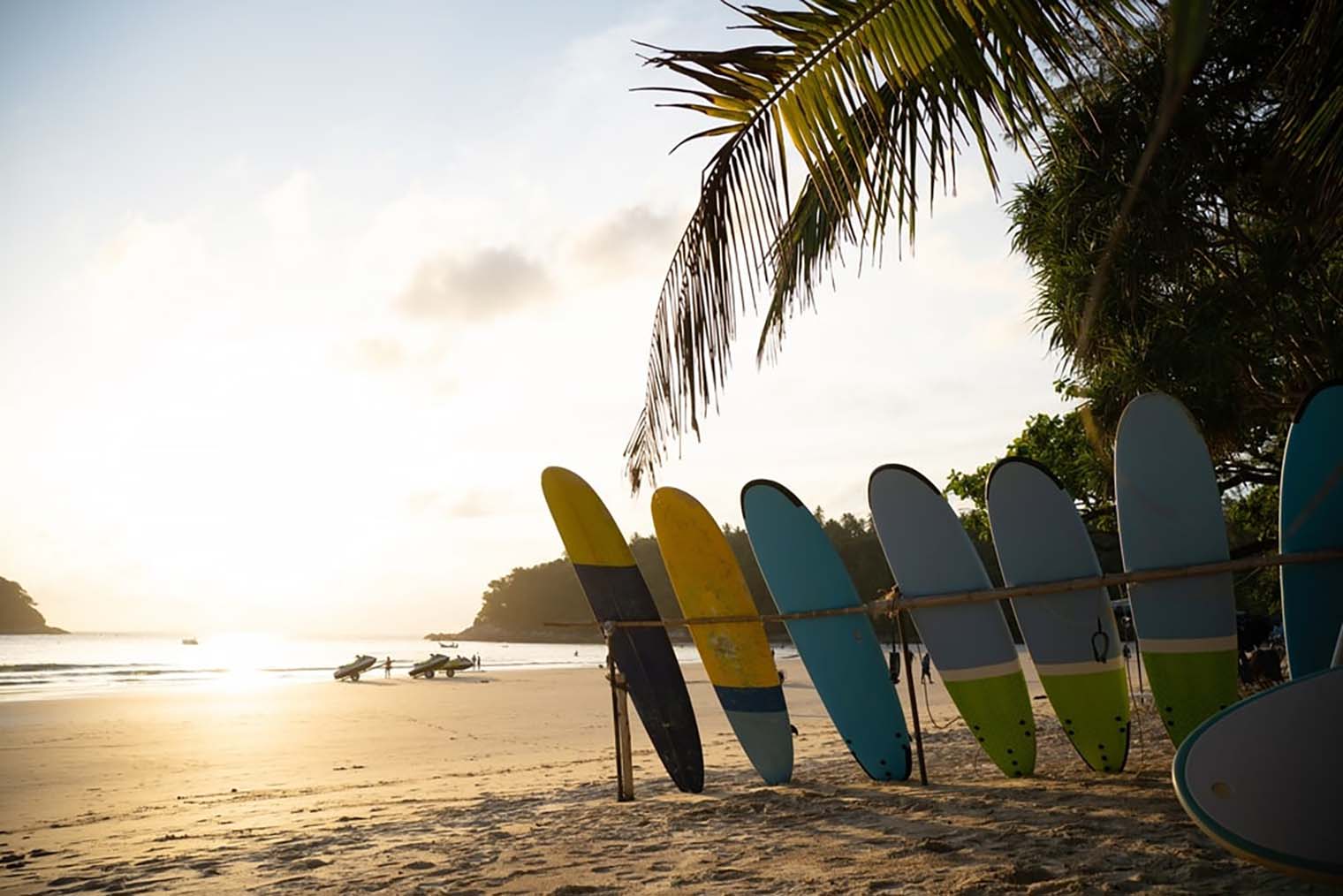
Best Surfboard for Beginners: Why Longer Surfboards Help
Imagine the joy of catching your first wave, but there’s only one obstacle in your way: Which surfboard should I choose?
A correct board is everything for a beginner. And if you are really passionate about picking up the skill quickly and safely, a long surfboard might be the one that helps you the most in the sea.
So, we would check out the long surfboard, deciding on the right one for a beginner and what the features are, too.
Maui surf lessons, Kihei
Join our Beginner Surf Lessons at Kalama Park, Kihei and learn to surf in a safe, fun, and supportive environment. Perfect for first-timers!
🕑 Duration: two (2) hours | From: $99
✨ Included: Surfboard, leash, rashguard, booties
✔️ Free cancellation: up to 24 hours
Reserve Your Surf Lesson Now →What Is a Longboard Surfboard?
A longboard is generally a surfboard that measures 8 to 10 feet or longer. It features a rounded nose, a wide body, and has more volume when compared to shortboards.
Key Characteristics:
- Length: Usually 8’ to 10’+
- Width: Around 22”–24”
- Thickness: Made thicker for more buoyancy
- Shape: Rounded nose for glide and stability
Shortboard vs. Longboard for Beginners: What’s the Better Choice?
If you’re just starting out in surfing, one of your first decisions will probably be whether to choose a longboard or a shortboard. Although shortboards are often used by advanced surfers for sharp turns and maneuvers, they are not ideal for beginners. Longboards are, however, made to provide a smoother and more stable learning experience.
With a longer length, wider surface area, more volume, and greater buoyancy, they become easier to paddle, easier to balance, and much better at catching small, slow waves. The problem with beginners is that they often want to use shortboards, but the latter require precise timing, stronger paddling power, and excellent balance. Longboards, on the other hand, are more forgiving, and you can work on pop-ups, positioning, and footwork without the frustration of constantly wiping out.
For new surfers looking to build confidence and skills quickly, a longboard is by far the better and safer option. It makes the learning curve easier and allows you to have the wave time you need to improve. If your purpose is to learn quickly, enjoy the ride, and feel more in control, choose the longboard.
Why Longer Surfboards Are Perfect for Beginners
Choosing the right beginner surfboard can be overwhelming, but longboards stand out for several key reasons. Here’s why a longer surfboard is the best choice for new surfers looking to learn faster and surf with confidence:
1. Superior Stability
Longboards offer a wider and thicker shape, which provides excellent balance and flotation. This extra surface area helps beginners:
- Stay upright more easily
- Learn pop-ups with less frustration
- Focus on positioning instead of worrying about falling
2. Easier and Faster Paddling
Longer surfboards have more volume, making paddling less tiring and more efficient. New surfers benefit from:
- Getting out to the waves quicker
- Conserving energy during sessions
- Catching waves earlier with a smoother glide
3. Catch More Waves with Less Effort
Longboards are designed to catch waves earlier and more often—even in small or mushy surf. This gives beginners:
- More ride time per session
- A chance to practice consistently
- Immediate feedback to improve skills
4. Gentle Learning Curve
Compared to shortboards, longboards are more forgiving. They reduce wipeouts and give new surfers the space to:
- Learn proper stance and turning
- Build ocean confidence
- Develop balance and timing step-by-step
Best Types of Longboards for Beginners
When selecting your inaugural longboard surfboard, it is crucial to acknowledge that not all longboards are alike. Various kinds provide different degrees of stability, safety, and performance – each compatible with a beginner’s particular requirements.
Foam longboards, sometimes referred to as soft-top surfboards, are the best choice for complete novices. They are light, very buoyant, and safer in the case of a fall; thus, they are a perfect fit for children and adults who have just started.
If you want a mix of efficiency and ease, a Mini Malibu or “Mini Mal” board, commonly 7’6″ to 8’6″ in length, would be an excellent pick. These boards are a bit shorter than the standard longboards but still deliver good stability with better maneuverability.
A traditional wood or carbon fiber longboard, generally 9 feet or longer, gives the best glide, control, and wave-catching ability, hence the best choice for those dedicated to learning conventional surfing methods. The boards are a little heavier than usual but allow more development over time. Be it small beach breaks or mellow point waves, surfing the right kind of longboard can turn your learning path into a safer, smoother, and a lot more fun one.
Always consider your weight, height, fitness level, and surfing goals before you decide which longboard for beginners suits you the best.
How to Choose the Right Beginner Longboard
Go Longer Than You Think
Pick one at least 2 feet taller than you. For adults, you to keep in the range of 8’0” to 9’6”.
Look for Volume
The more volume you have, the more you can float. Find boards with a lot of liters of volume.
Construction Type
- Soft-top = safer, budget-friendly
- Epoxy = durable, lightweight
- Fiberglass = classic feel, less forgiving
How to Learn Quickly on a Longboard
- Every day, practice how you pop up on the ground.
- Begin in whitewater (the small and broken waves).
- The feet should be at the same level as your shoulder width.
- Keep your eyes where you want to go, not at your feet!
- A fall should not frighten you—learning is the process of falling.
Maui surf lessons, Kihei Hawaii
You’ve read the tips, now it’s time to try them in the water! Our professional instructors will guide you step by step at Kalama Park in Kihei.
🕑 Duration: two (2) hours | From: $99
✨ Included: Surfboard, leash, rashguard, booties
✔️ Free cancellation: up to 24 hours
Book Your Surf Lesson Now →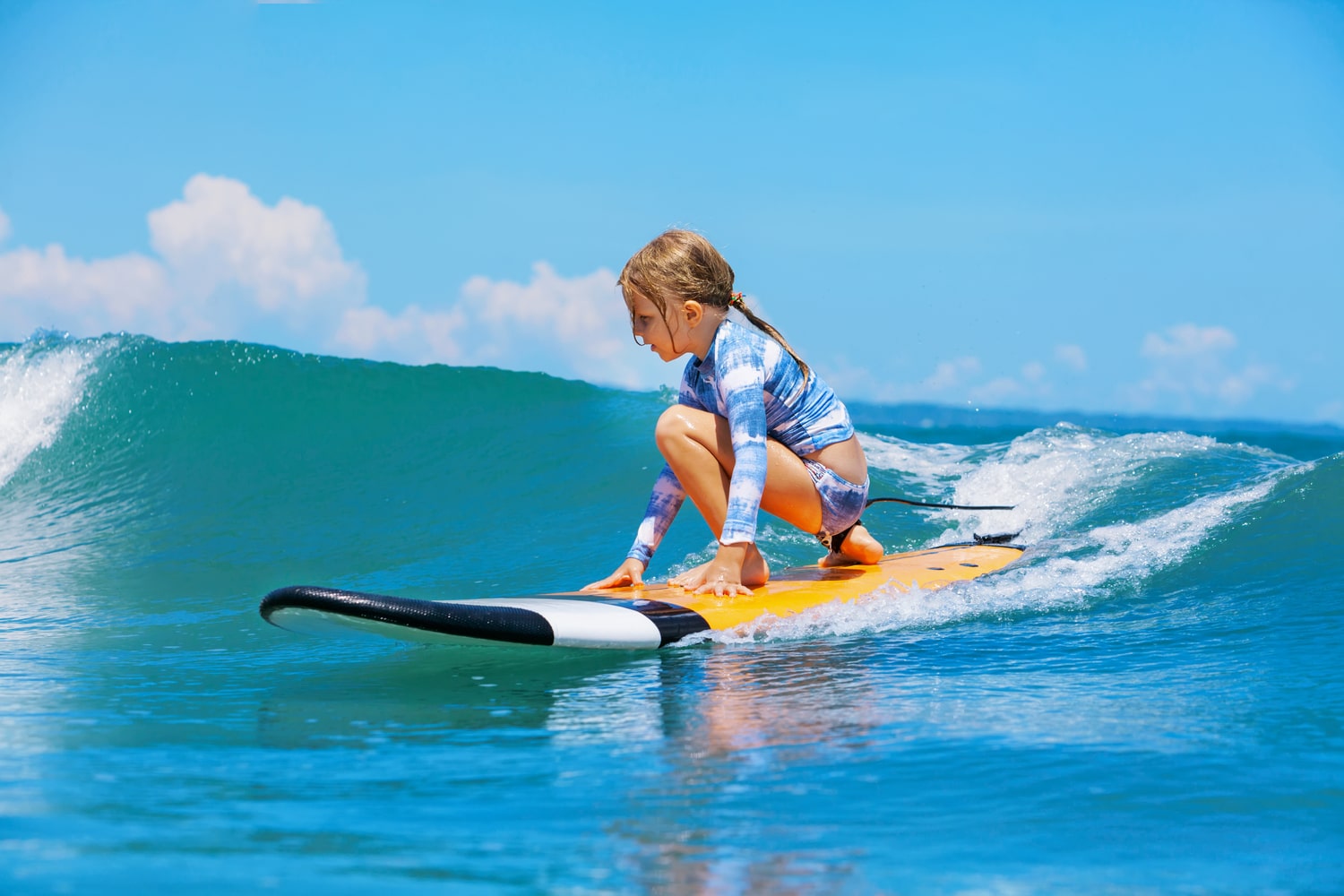
Why Surfing in Maui is Perfect for Kids and Families
Aloha, Families! Thinking of Surfing in Maui with Your Kids?
If you plan to go on a Maui vacation and are in doubt about whether kids surfing is both safe and fun – the answer is “YES” without a shadow of a doubt.
Additionally, with its gentle waves, warm water, and top-notch surf schools, Maui is a paradise for children to get their first taste of surfing. One of the most popular places across the globe to learn how to surf, Maui combines everything a kid could dream of.
Here we present you with the most outstanding reasons why the family surf experience in Maui is the best choice!
1. Gentle Waves Suitable for Children
Select the place where the waves are moderate and preferably low and are the best for kids to learn surfing in Maui. The southern coast of the island usually offers the most inviting beaches, and you should visit Kalama Beach Park, Cove Park, or Lahaina Breakwall where the sea is calm. Here you will find slow long waves that are the most adequate for children and beginners as:
- They break over sandy bottoms (not sharp reefs)
- The surf is small and consistent
- There’s plenty of shallow water for safety
Whether your child is 5+ or 16, there’s a wave that’s just right for their confidence level.
2. Professional Surf Instructors Trained for Kids
Surfing in Maui comes with a lot of convenience as the surfers there have the best and most professional trainers who are always ready to make your surfing spree the best ever. Many surf schools, for instance, ours at Learn to Surf Maui, offer private or small group lessons for kids with certified instructors who specialize in teaching children and families.
What features do our surf lessons have to make them suitable for families?
- Instructors are CPR-certified and trained in ocean safety
- Kids get individual attention with low student-to-instructor ratios
- Lessons include fun games and ocean education
- We use soft-top boards for extra safety
It’s not just about catching waves—it’s about building confidence and creating joy in the ocean.
Maui surf lessons, Kihei
Ready to Catch Your First Wave? Book your beginner surf lesson at Cove Park or Kalama Beach today, perfect for first-timers!
🕑 Duration: two (2) hours | From: $99
✨ Included: Surfboard, leash, rashguard, booties
✔️ Free cancellation: up to 24 hours
Book Your Lesson Now →3. Bonding Time for the Whole Family
Surfing is not just a sport but a joint activity.
Parents are welcome to do the surfing with kids or just to be there and take a few pictures while the ongoing of the event is taking place. In fact, most of the families that come to us for learning together how to surf confess that learning was the highlight…
- Additionally, surfing teaches:
- Teamwork (cheering each other on)
- Patience (waiting for the perfect wave)
- Resilience (falling and getting back up!)
These are life lessons that stick with kids long after they return home.
4. Close to Other Kid-Friendly Activities
Even after a surfing lesson, the area is full of amusing places.
Most beginner surf spots in Maui are close to parks, stores that sell snacks, and beaches where it’s possible to go snorkeling. So after your session, you can certainly do any of the following:
- Grab a shaved ice or smoothie
- Play at the beach park playgrounds
- Take a calm kayak or SUP ride
- Snorkel with sea turtles just offshore
Maui is the best place to change surfing into a family day.
5. Safe and Supportive Surf Environment
No need to tell us that, as parents, the safety of our children is our first concern, and we have it as a priority.
The features of surfing in Maui that particularly ensure safety are:
- Warm, clear waters (less intimidating for young swimmers)
- Consistent weather (no cold wetsuits needed)
- Well-marked beginner zones
- Our Surf school monitors tides, winds, and currents daily
No need to worry, kids are under the supervision of the instructors in a safe and friendly environment.
6. Instagrammable Memories—Guaranteed!
To be frank, you cannot buy the experience of watching your child standing on a surfboard for the first time at any cost.
Maui’s breathtaking sceneries (imagine coconut trees, volcanic peaks, and sun-kissed beaches) are a perfect background for capturing surfing moments.
Our Learn to Surf Maui school often offers professional photo or GoPro packages. So, at the end of the day, you’ll have an amazing photo of your family surfing in paradise.
It’s a Gift of Confidence
One of the coolest things about kids learning to surf in Maui?
They leave with more than just skills—they leave with confidence.
Surfing teaches kids that:
- They can face new challenges
- Falling is part of learning
- Nature is something to be respected and loved
That’s a pretty incredible souvenir.
Ready to Book a Family Surf Lesson in Maui?
Whether your kids are shy or super adventurous, Maui offers the perfect ocean playground for all kinds of young surfers.
At Learn to Surf Maui, we specialize in creating joyful, safe, and unforgettable surfing experiences for families just like yours.
- Beginners welcome
- Soft boards & rash guards provided
- Flexible scheduling and group options
Maui surf lessons, Kihei
Ready to give your keiki their first surf adventure? Book your Family Surf Lesson in Maui today with our certified instructors.
🕑 Duration: two (2) hours | From: $99
✨ Included: Surfboard, leash, rashguard, booties
✔️ Free cancellation: up to 24 hours
Book Your Surf Lesson Now →Final Word: Surf’s Up, Keiki!
Maui isn’t just for honeymooners and seasoned surfers.
It’s the perfect place for kids and families to catch their very first wave—and fall in love with the ocean.
So if you’re planning your next family trip to Hawaii, make surfing a part of your Maui adventure. Your kids will thank you (and so will your camera roll).
Read More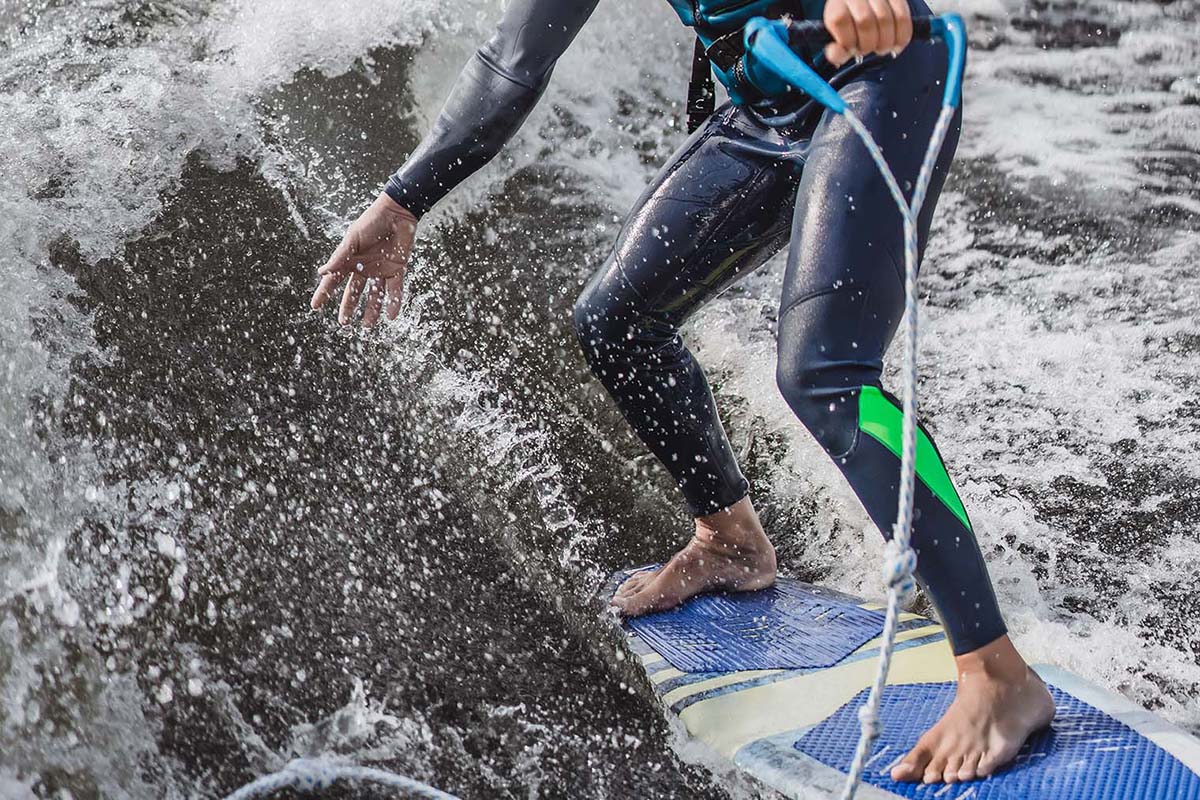
What to Wear Surfing for the First Time – Beginner’s Guide (2025)
Every surfer, regardless of the degree of expertise they have presently, has at some point in the past started their surfing experience just like you are about to. It is a normal thing for you to feel a little bit of excitement and uneasiness on the one hand and not be sure what to wear on the other. But hey, don’t you be held back by that! The proper surfwear erases all the doubts, encourages you to stay safe, and allows you to focus on the important thing: the interaction with the sea and the satisfaction of finding your way through surfing. We have covered everything in detail in this guide, which will help you present yourself ready and enthusiastic, so that nothing but the joy of surfing will begin your journey.
Maui surf lessons, Kihei
Join our Beginner Surf Lessons at Kalama Park, Kihei and learn to surf in a safe, fun, and supportive environment. Perfect for first-timers!
🕑 Duration: two (2) hours | From: $99
✨ Included: Surfboard, leash, rashguard, booties
✔️ Free cancellation: up to 24 hours
Reserve Your Surf Lesson Now →Essential Surfwear for Beginners
Starting your surfing journey does not require you to acquire expensive equipment or to have proficiency in it. Although the right outfit may not be entirely necessary, it can definitely give you a boost in confidence and allow you to surf with less stress because you are more comfortable. Think of it like you are getting a sword and shield, which is not just for your protection, but it is also the factor that determines your courage to take the plunge without fear.
If you are in cold water, a wetsuit is your savior. It doesn’t just provide additional warmth and lets you stay longer, but also helps in UV protection. A rash guard is the most lightweight top you can wear along with boardshorts while in tropical weather. Thus, both of them will shield you from the sun and keep you away from skin problems due to friction with the surfboard.
Boardshorts or Surf Leggings
Your lower side should be stable, should dry easily, and be able to shape as you wish. Snug-fitting boardshorts and surf leggings made for being in the water are the best choices for you so you can be very active, and you can still have that feeling that you are not wearing anything, be free, and be in the water.
Remember: it is okay if you are not completely sure about everything. Every professional was an amateur once, who was also exactly like you, who was figuring it out, especially zipping their first wetsuit. Let this be your beginning, and you are absolutely marvelous.
Choosing the Right Wetsuit/Accessories
Picking out a wetsuit for the first time may be a bit overwhelming, but you don’t have to worry. It’s alright if you are not a gear expert. Obviously, your wetsuit doesn’t need to have special qualities. It just has to be comfortable, fitting, and help you to worry more about the waves and less about the cold.
Understanding Wetsuit Thickness
Water temperature is your most important indicator. Water that is warm (approximately 70°F and higher) requires a thin wetsuit (like a 2mm spring suit) or a long-sleeve rash guard. If you’re surfing in colder locations, a full wetsuit (3/2mm or 4/3mm) can give you the same level of warmth without adding too much extra weight. Just like a second skin — it should be tight but not too tight. To the point that you can’t move without sweating, it’s too tight; if it’s too loose, you’ll feel the water entering the suit.
The Right Fit Matters
Finding a wetsuit that clings to the body but doesn’t feel tight like a suffocation example is the perfect fit. If the wetsuit is too big, cold water will enter it, while a wetsuit that is too small causes exhaustion. You could try on some styles and sizes for a while, but take your time in this process, as it is although you need to be patient, it may seem a bit tricky at first — believe in yourself.
Every surfer has been in your position once before – that mix of excitement and uncertainty when facing a new challenge. Selecting a wetsuit is the first small but brave step towards your first wave. Believe me, this venture is going to be a plus for you.
What NOT to Wear
All that stuff around the surfing start is as sparkling as it sounds, there are some really bad articles for surfing you should avoid. Sure, some items of clothing look perfect for a beach day, but they may be an obstacle in the water and cause your attention to be shifted from catching the wave of your life.
Cotton Clothing
Cotton fabric, while lightweight, is actually not the best choice of material for surfing. When cotton gets soaked, it becomes very slippery and can pull you down in the water. Consequently, you will struggle with paddling and difficult while moving. Use items of clothing made of moisture-wicking materials used in sports that are characterized as such as rash guards and board shorts.
Loose or Baggy Clothes
It may look like big clothes are more comfortable, but in reality, they will move with the water in a bad way, preventing you from surfing well. Roomy clothes can cause water drag, leading to the slowing of the surfer and thus impair his/her ability to maintain balance. On the other hand, tight clothes are actually more functional and make it much easier for you to go with the flow.
Your necklace or bracelet, though good-looking on land, can cause you problems while surfing, so it is better to be without it. Not only can it entangle in your surfboard or in the waves, but it may also be dangerous in case of trouble. Do not overdo it — an unforgettable surf experience is unlikely to be great with accessories that can make you lose focus.
A little tip: The first time you go surfing is all about the basic concepts and not about what to wear. It is more beneficial to wear water-friendly, practical items, and you will have more chances to concentrate on the pleasure: the waves!
Bonus Tips for First-Time Surfers
Having properly arranged your gear, get extra advice for an even better surfing experience. The given tips are not just about gear; in fact, they are about setting your mood and making achievements for yourself!
Try On Your Gear Before Your Lesson
Nothing is worse than showing up for your surf lesson only to realize your wetsuit is too tight or your rash guard feels uncomfortable. Take a few moments to try everything previously and make sure that it is the perfect fit. When you are at ease with everything, it will be one less thing to worry about while you are in the water.
Bring a Backup Outfit
If you are buying clothes, therefore, it is sensible to have a profound understanding of the cloth materials used to make the clothes so that you avoid situations where you find you need to change clothes, but you don’t think the fabric is appropriate. Always pack a new set of clothes in case you need to change. After your lesson, you will probably want to dry off and warm up, so having something comfortable to change into, and then you can do your tune-up for your remaining part of the event.
Don’t Stress, Have Fun
Surfing is all about having fun with the ocean and living in the moment. You don’t have to ride every wave — and it’s okay. Reward the small wins, like surfing for a second or just sensing the excitement of the water. You’re making great progress, and your skills will grow with every surf session.
Trust Yourself and Your Instructor
Your surf instructor is present for the purpose of guiding you, so pay attention, believe in their skill and experience. They have passed the exact same stages as you and know exactly what you need to achieve. The responsibility is all yours!
Remember: By the way, the ocean can also be very helpful in teaching us patience and perseverance. And at the same time, the first time you surf will be the start of the adventure. If you go for a swim with every next session, the more you’re becoming the champ you’ve always dreamt of.
Conclusion
So simple! So now you are perfectly poised to live the first surfing adventure of your life! If you are feeling excited, or nervous, or a little bit of both, then just remember, no surfer was born a surfer; we were all there just like you. The matter is not in being the best but in being present, open to the challenge, and aligning yourself with each moment in the water. The correct gear, a good attitude, and an eagerness to know are all that is required for the start.
In the beginning, bear in mind that surfing is a process. For sure, there will be ups and downs, but with each session, you will become more dynamic, more confident, and more bonded with the water. Therefore, get into your wetsuit, paddle out, and have a great time. The waves are there, and you are more ready than you think!
Book your spot at our surfing school on Kalama Park in Kihei today! Let’s make your first wave ride special. Surf is ready, see you out in the ocean!
Maui surf lessons, Kihei
You’ve read the tips, now it’s time to try them in the water! Our professional instructors will guide you step by step at Kalama Park in Kihei.
🕑 Duration: two (2) hours | From: $99
✨ Included: Surfboard, leash, rashguard, booties
✔️ Free cancellation: up to 24 hours
Book Your Surf Lesson Now →
10 Safety Tips for Safe Surfing and Stand-Up Paddle Boarding
The first thing to do is to remember the 10 Safety Tips for Safe Surfing and Stand-Up Paddle Boarding (SUP) in Maui, Hawaii, as that will save you albeit without encountering the very frequent mistakes the first time that you are doing the two sports. Surfing along with stand-up paddleboarding or SUP for short is a very exciting and interesting ways to be one with the ocean. The two water sports come with risks, whether you are doing it either to have fun or your personal development, so it is necessary to have an in-depth understanding of them and a vigilant attitude. Safety tips may sound familiar to those who have a good understanding, but they indeed are the key that makes a difference. In this article, you will learn safe and responsible surfing tips to practice. So start now and stay safe as well as enjoy your next activity to the fullest!
1. Know Your Skills: Swimming and SUP Basics
Before you get into the water, make sure that you are a strong swimmer. The sea is unpredictable and good swimming skills can help you in any drowning problems. First get conversant with the basics of surfing and also go through SUP. To get a better understanding of the topic, you can join the well-structured article. You will learn how to get on the board, manage the paddle, and the way to recover if you are down. If you’re a person who’s just getting started, you take SUP and Surfing lessons. The professionals can help you with the best ways to surf and keep you safe always. Perform your exercises in the waters that such conditions as calmness are certain. In this way, you can learn the simple things without pressure and without any danger.
Don’t make extra estimates for your abilities. Do the easy things first and as you get better with the skills so also should be your progress. All the preparation is everything. The best because of its good foundation, your experience will be safe and enjoyable.
2. Gear Up: Leashes, Life Jackets, and Essentials
Make sure that you have good swimming skills before you get into the water. When you come to the sea, you are not sure about the conditions and swimming well can help you to be out of trouble in such situations. Try your hand at Surfing and SUP before you go for it. Get acquainted with the board stability, paddling efficiency, and the ways to regain the balance if you plunge into the water. In case you are not experienced at it, undertake the learning process. The advice given by a professional instructor will help you to learn the right methods as well as the safety rules.
Small and Safe Trials. Confidence gets higher and the possibility of mishaps is also reduced by practicing starting skills in water with no waves and gentle. Do not get overconfident about yourself. Start with the simple and upgrade slowly as you improve your skills. Getting ready in advance is a must. The more you are well-grounded, the more safely and joyfully you will have an enjoyable surfing experience.
3. Check Weather and Water Conditions
Always check the weather forecast. Also, make sure that you do not take a boat or board out during the storms, strong winds, or heavy rain. Be aware of the tides. Tidal changes can affect the currents and wave conditions and the consequent dangers to your safety. A good measure of waves is size and frequency. People who are new to surfing should stay away from places with big waves. Be able to feel the water temperature. Cold bodies of water are perfect for producing hypothermia if not suitably dressed.
Be sure that you are aware of the rip currents. Be educated in the creatures and the phenomena that lead to them and know the methods of preventing them from reaching you. Remember to check the local conditions. Ask the lifeguards or the people who live there about the specific hazards at the location such as rocks or strong currents. Do not go out when the visibility is too low. Fog at dusk or dawn can prevent one from seeing the dangers or being able to give signs for help. Accordingly, getting to know the expectations makes you ready in every case and keeps you safe.
4. Choose the Right Spot: Flat Water and Safe Areas
Always check the weather forecast. Avoid paddling or surfing during storms, strong winds, or heavy rain. Understand the tides. High and low tides can affect currents and wave conditions, impacting your safety. Monitor wave size and frequency. Beginners should avoid areas with large, powerful waves. Be aware of water temperature. Cold water can lead to hypothermia if you’re not properly dressed.
Look out for rip currents. Learn to identify and avoid these strong, fast-moving water channels. Check local conditions. Ask lifeguards or locals about any specific hazards in the area, like hidden rocks or strong currents. Avoid venturing out during low visibility. Fog, dusk, or dawn can make it hard to spot dangers or signal for help. Knowing what to expect helps you prepare and stay safe, no matter the conditions. Starting off in calm waters is the key. This is where one can do balance and the basic techniques of paddling in perfect conditions. For the time being, it is best to avoid high-surf areas. First-timers are recommended to go to places with fewer people, hence, the lesser the chance of colliding with someone else and the less the pressure. It is wise to keep away from the river mouth. Such places are usually characterized by numerous undercurrents and changeable circumstances. It is indeed wise to keep away from artificial water barrages and places where water is stored, like the reservoirs. These places may cause strong currents and lead up to dangerous swimming conditions. Get to know your destination before going. It is good to select places where it is calm and people learn if we talk about location, like waves that are not hard and the water is shallow.
Avoiding being given negative surprises. Stones, corals, and tree branches that have fallen in the water can be a potential danger to both you and your equipment. Stick with marked ocean zones. By doing so you are ensured that you are in the safe zone as far as the swimming and/or paddling areas are concerned and thus there is no trouble of hasty and harming encounters with the boats or surfers.
If you make a good choice of place, the journey will be a great experience.
Maui surf lessons, Kihei
Join our Beginner Surf Lessons at Kalama Park, Kihei and learn to surf in a safe, fun, and supportive environment. Perfect for first-timers!
🕑 Duration: two (2) hours | From: $99
✨ Included: Surfboard, leash, rashguard, booties
✔️ Free cancellation: up to 24 hours
Reserve Your Surf Lesson Now5. Stay Aware of Your Surroundings
Maintain full 360-degree visibility. Consistently sweep the immediate area for other surfers, paddlers, any potential hazards and the surrounding area. Keep an eye out for swimmers. To prevent wrong-way traffic, make sure that you keep a safe distance. Be careful of boats. It’s necessary to keep high boat traffic areas clear to avoid any dangerous interactions. Look out for natural obstacles. Injuries due to rocks, reefs, and floating debris could be a result if you don’t keep a watchful eye over nature’s dangers. Be attentive to the fauna. Marine mammals, such as turtles, dolphins, or jellyfish, could be harassed, so it’s best to keep a respectful distance. Observe the wave dynamics. Breaks in the waves, if discerned, can be a factor in making sure of your safe location. Be aware of the weather. Wind, tides, and waves can change easily, and you will have to quickly react to new conditions.
“Realize that awareness is the main point that helps you avoid incidents and at the same time make your day on the water a safe and pleasant experience.“
6. Paddle with a Buddy or Inform Someone
Paddling alone should not be a thing. A partner could be the one who is closer and can save you in emergencies. Find a partner with similar skill. It is easier to help each other and not to lose sight of each other if you have the same skill level. Develop a plan. Talk about your route, the time that you are going to be on the water, and the point where you can be found during the outing. Keep each other in view. You can communicate quickly when you are in the open and visible. Let someone on the shore be aware of your intentions. Let this person know your whereabouts, and the time at which you intend to be back, and also leave your emergency contact number. Carry the necessary tools to communicate. Separation from companionship is where a waterproof phone or a whistle the device may come in handy. Acquire the skills of rescue. It is necessary to know how you can help a woman in case of a fall or injury.
Being with a friend or other ways of alerting people is one more safety layer that you can add to your adventure.
7. Keep Close to Shore
Stay at a reasonable distance that is safe. For any first-timer, it is advisable to be in such a location where swimming back to the shore could be accomplished if it became essential. Be careful not to reach too far. Strong current or the abrupt onset of fatigue may make it impossible to return to a place on land. Select places that have lifeguards around. They can be a great rescue if you get into trouble. Estimate the depth of the water. Even if you fall a shallow water is the best type for your practice which is risk-free. Be wary of offshore winds. Unexpectedly, they can drive you further away from the shore. Point out the landmarks on the sea beach. This way, you can easily find your way back and you can know the direction at all times. Keep in mind controlled paddling practice. Staying close to the shore allows you to have full concentration on the skills rather than an unpredictable risk of drifting.
Staying at the shoreline decreases the chances of danger and it makes the event a better one.
8. Rental Safety and Proper Instruction
Find a reputable rental company. Make sure that they have good quality equipment and they also give you the right tips for safety. Inspect the rental equipment. Ensure that neither the goods nor the equipment used to protect them show defects or signs of wear before you proceed. Ask for the right size. Make sure that the board and paddle fit your height and weight, and you are of the right skill level.
If you are still new to the game, ask for a tutor. Several rental shops usually offer a beginner’s lesson to get you on your way safely. Acquire the necessary skills to operate the gear. Know how to tie your leash, hold the paddle, and manage the board. Ask about the local environment. With their knowledge, the rental staff can give you tips on the weather, tide, and safe locations. Observe safety rules. Conform to the rules and regulations that have been set by the rental provider.
Reliable rentals and good instruction lay the foundation for a safe and enjoyable outing.
9. Respect the Ocean and Others
Get close. One of the things to do to make sure the marine life is disrespected is to avoid the animals such as turtles, dolphins, and coral reefs from being disturbed by the like of men. Distance is the key. Not only you, but also others should observe this and give their fellow surfers, paddlers, and swimmers enough space. However, you should always be ready for emergencies. Rowing with good manners. Operate your board in such a way that you do not drop into some’s line and you wait for your turn respectfully. Comply with the rules of a place. swim, surf, and paddle only in those areas that are designated for that purpose and always follow the rules of the area. Make sure that water is not dirty. It is important when enjoying nature that people have to throw away their trash safely and the environment has to be clean.
Don’t attract attention with excessive noise. Animals can be affected by the sound and disturbance of excessive noise and also other people will be disturbed. Stay peaceful during the busy time. Express understanding and move carefully and thus you will not be involved in any accidental incidents.
Adhering to the rules and showing respect for the sea and people results in a more secure and pleasant atmosphere for all.
10. Emergency Preparedness
Be knowledgeable about the basic stuff about first aid. Find out the necessary things for treating cuts, bruises, and other minor injuries that may occur on the water. Recognize emergency signals. Signal for help with a whistle or by waving your arms if necessary. Have a person who could be contacted in an emergency. Let a person onshore know about your location and the time of your safe return. Have a waterproof phone with you. It could be very useful for emergencies in case something bad happens. Learn the way out of the rip currents. Swim parallel to the shore to get out of a rip current. Be smart when there is an emergency. The situation can get worse if you get scared. Focus on getting to safety because it is the main priority.
Conclusion
To ensure safety during surfing and SUP Lessons, one can make use of some of the safety tips outlined. These are not only helpful in reducing the dangers associated with this water sport, but they also allow you to fully enjoy all your time immersed in the water. Beginning with the basics, be properly equipped, and at all times be conscious of the state of your environment. Show the ocean appreciation, wade along the coast, and do not paddle by yourself. You can have a secure and at the same time enjoyable trip if you are well prepared and acquire the right attitude, regardless of your position as a beginner or a skilled paddler.
Remember, Safety is number one – the waves will always be there waiting for you.
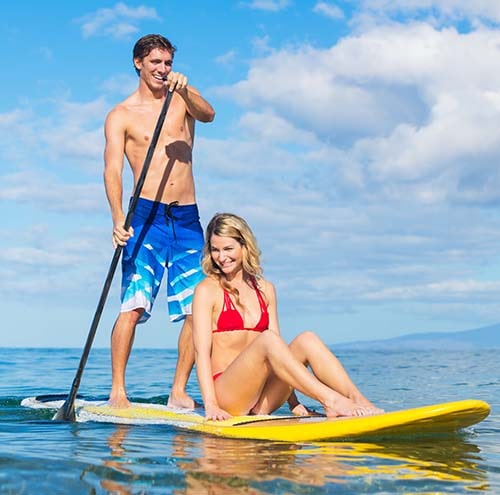
SUP lessons Kalama Park
Join our Beginner stand up paddleboard Lessons at Kalama Park, Kihei and learn to SUP in a safe, fun, and supportive environment. Perfect for first-timers!
🕑 Duration: two (2) hours | From: $109
✨ Included: Surfboard, leash, rashguard, booties
✔️ Free cancellation: up to 24 hours
Reserve Your SUP Lesson Now