


Best Time of Year for Surfing in Maui – Wave & Weather Guide
Maui is a dream for surfers with its warm water, regular swells, and a good mix of easy waves and really good waves that break on the reef. However, if you have a surf trip to the Valley Isle in mind, getting your timing right is key. The optimal time to surf in Maui varies according to your skills, the kind of waves you want, and the side of the island you plan to visit.
This comprehensive guide to Maui surfing weather and waves will help you understand the best surfing months, seasonal conditions, and water temperatures, and provide you with insider tips to get the perfect wave.
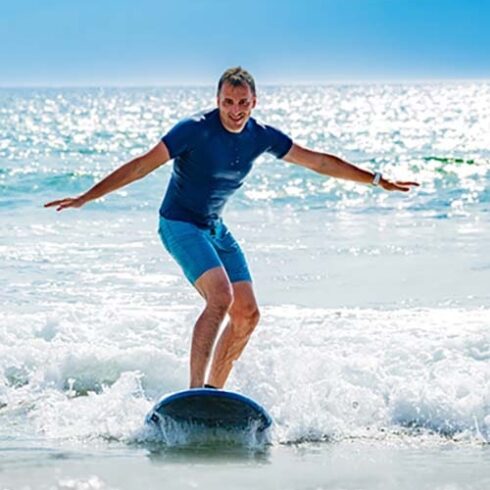
Maui Beginner Surf Lesson, Kihei
Learn surfing in Maui’s warm, calm waves, perfect for first-timers. Certified local instructors with years of experience. Small group size means more personal coaching and faster progress.
Duration: two (2) hours | From: $99
Level: Beginner to Intermediate
Included: Surfboard, leash, rashguard, booties
Book Your Surf Lesson NowMaui Surf Seasons at a Glance
Maui’s surf is influenced by its location and the types of waves that come in. The island gets large surf from the north in the winter, coming down from the Pacific, and big waves from the south coming up from the Southern Hemisphere in the summer, while spring and fall are change points with waves coming from different directions. So, it’s always possible to find a spot for surfing on the island, at any time of the year.
During winter, Maui becomes the focus of risk-taking, skilled surfers looking for a chase of a big wave, whereas the summer period turns the South Shore into a fun area for beginners. Spring and fall offer the place in between—rays of sun with few people around, so they are excellent for practice and skills improvement.
First-timers can figure out which beach would be the best for them and, at the same time, have the most fun and the least amount of risk by simply being aware of how the seasons change and choosing the coast and beach that match their skill level.
Winter (November – March) – Best for Big Waves
In winter, the North Shore of Maui transforms into a giant playground for advanced surfers. Those amazing spots where experts only go, like Ho‘okipa Beach Park and Honolua Bay, become vibrant with them chasing these incredible waves. Maui is the place to be if you want to be in the middle of the world’s surf season, grabbing the attention of other professional surfers, cameras, and also very adventurous people.
Wave Conditions: Waves of 8–20 ft (and sometimes even bigger) are what you can expect on the North Shore almost every day. These waves are so heavy and fast that they usually break over the coral, so it is really dangerous for you if you are a new surfer. Also, the currents can be strong, and the conditions can change rapidly.
Best For: Those who have very good skills and want to surf these big waves, or people who want to watch the spectacle from a safe place. Newbies should not even think about going in these areas; better off with some quiet beaches on the South or West coasts.
Weather: Daytime temperatures will typically remain around 70–80°F. However, winter appears to be a rainier and windier season, especially on the North Shore. The additional wind not only produces challenging conditions but also creates stunning surf spectacles.
Tip: It is always advisable to consult local surf reports before going out. Even advanced surfers might find themselves surprised by the gigantic winter waves of Maui.
If you are not into surfing, the North Shore is still an excellent destination during the winter season to watch some of the most powerful surf in the world. It is a stunning view that demonstrates the ocean’s raw energy in Maui.
Spring (April – May) – Calm Waves & Ideal Learning Conditions
Spring is a time to change the season when surfing in Maui. The waves from the north shore have started to lose their power, and not much surf has come from the south shore yet. This means that most waves at this time are smaller and can be easier to handle by beginners. So, it is the perfect timing for a few surf lessons, practicing the skills, and having an amazing surf and relaxation balance.
Wave Conditions: Normally, the waves are between 2 and 6 ft with easy takeoffs and longer rides. The stability of the swell might not be as good as in summer; however, the conditions are still friendly for progression.
Best For: Beginners and intermediates who want to become more confident and do not feel the bother of having too many people around or big waves. Also, it’s perfect for families with children who want to start their kids surfing.
Weather: The weather is warm and beautiful with sunny skies. Daytime temperatures are around 75–85°F (24–29°C). Light winds result in calm or glassy conditions for the morning, and the ocean is also calm for snorkeling and paddleboarding.
Tip: It is best to arrange your surfing lesson in either Lahaina or Kihei. Both places are characterized by reef breaks and thus are perfect for beginners. Moreover, in spring, there are fewer people compared to summer, and hence, you will have more time on the waves.
Furthermore, spring in Maui is a great period to go for different activities on the island, for instance, snorkeling at Molokini Crater or hiking up Haleakalā. This is because the weather is pleasant and the beaches are less crowded.
Summer (June – August) – South Shore Surfing Paradise
Summer in Maui’s South Shore (Lahaina, Kihei, Ma’alaea) is the time when waves from the Southern Hemisphere provide consistency and fun to the locals and visitors of the area. The sea is not too rough; waves are usually between 3 to 8 feet and offer smooth and rideable walls. Launiupoko is an excellent spot for beginners since it is especially forgiving.
In terms of who can make the most of this season, one could say it is designed for beginners, SUP surfers, longboarders, and families looking for safe but exciting waves. However, for advanced surfers at places like Ma’alaea (“Freight Trains” when it works), there are still opportunities for challenges at faster reef breaks.
Regarding the weather, one can expect hot and dry days with an average temperature of 80 to 90°F. The water is warm, around 80°F, so no wetsuit is needed. The afternoon trade winds are common, so early morning is the best time for glassy waves.
Tip: Summer is the best and also the busiest time for the beach and surfing schools. Therefore, if you want to rent equipment and take lessons, do it in advance, and get up early for your first lesson to catch the best waves.
Summer is also ideal for those who want to enjoy different water activities such as surfing, snorkeling, paddleboarding, and sunset cruises. Hence, it is a perfect season for both families and adventure seekers.
Fall (September – October) – Best of Both Worlds
Fall is one of Maui’s most overlooked surf seasons. It marks the transition between the calm waves of summer and the large swells of winter, thus allowing surfers of all skill levels to have the opportunity to enjoy a variety of conditions. Additionally, the smaller number of surfers and lower travel costs make it a great time to go.
Waves generally are in the range of 3–10 feet. Although the South Shore continues to be affected by the last strong south swells, the first waves from the North Shore are already coming in. These two factors combined give surfers a good mixture from which to choose their next ride.
Best For: Those with some surfing experience who want to try different types of waves without the energy of the peak winter surf. It is also perfect for people who want to combine surfing with rest and relaxation.
Weather: The weather is warm and dry. The air temperature is usually 80–85°F. The sea remains very comfortable at 78–80°F, thus both surfing and swimming are enjoyable.
Tip: Very often, there are early mornings in September when the sea surface is smooth with blue sky and no or very few surfers in the spot. Accommodation prices tend to be lower than the peak seasons, making it an ideal time for budget-conscious travelers.
Fall gives you the opportunity to ride the waves from both coasts and change your surfing activities each day based on swell direction. This time of the year is a secret treasure for the surf as it offers great flexibility and stability.
Water Temperature & Wetsuit Guide for Maui
Maui’s tropical waters mean you can surf year-round without needing a thick wetsuit. Still, water temperatures fluctuate slightly with the seasons, and the wind can sometimes make it feel cooler.
Winter: 75–77°F – A rash guard or a thin spring suit is recommended, especially if it is windy or if you plan to surf for a long time.
Spring: 77–78°F – Boardshorts or bikinis are good enough, but a rash guard is handy for sun protection and to prevent board rash.
Summer: 79–81°F – The water gets the hottest of the year. Most surfers opt for just swimwear; however, reef-safe sunscreen should not be forgotten.
Fall: 78–80°F – Very nice and usually just swimwear is enough, but many people still use rash guards for sun and reef protection.
Maui is one of the few places in the world where surfers can comfortably ride waves year-round in warm tropical waters, which makes it a dream destination for surf travelers.
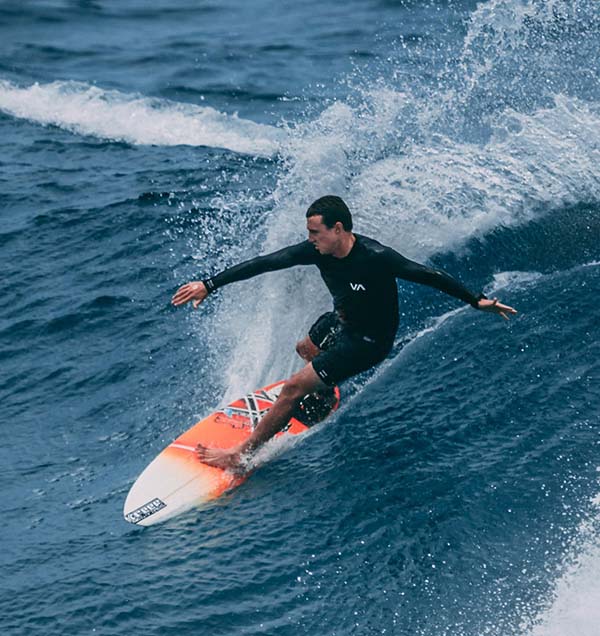
Private Maui surf lessons, Kihei – One-on-one instruction
Our Surf lessons are 100% focused on your surfing style and progress. You can easily fit the lessons into your trip. Our professional instructors will guide you step by step at Kalama Park in Kihei.
Duration: two (2) hours | From: $159
Level: Intermediate & advanced surfers
Included: Surfboard, leash, rashguard, booties
Book Your Surf Lesson Now