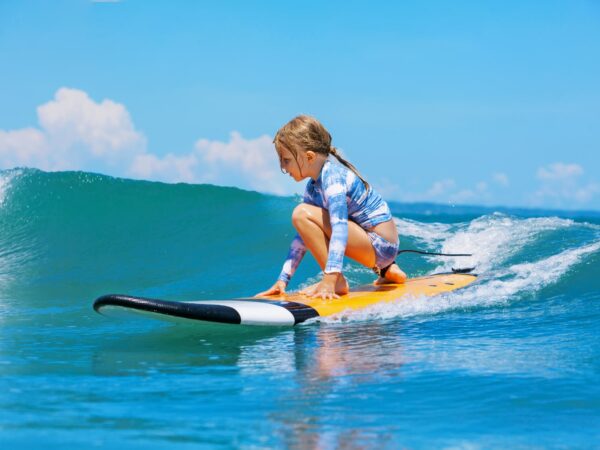


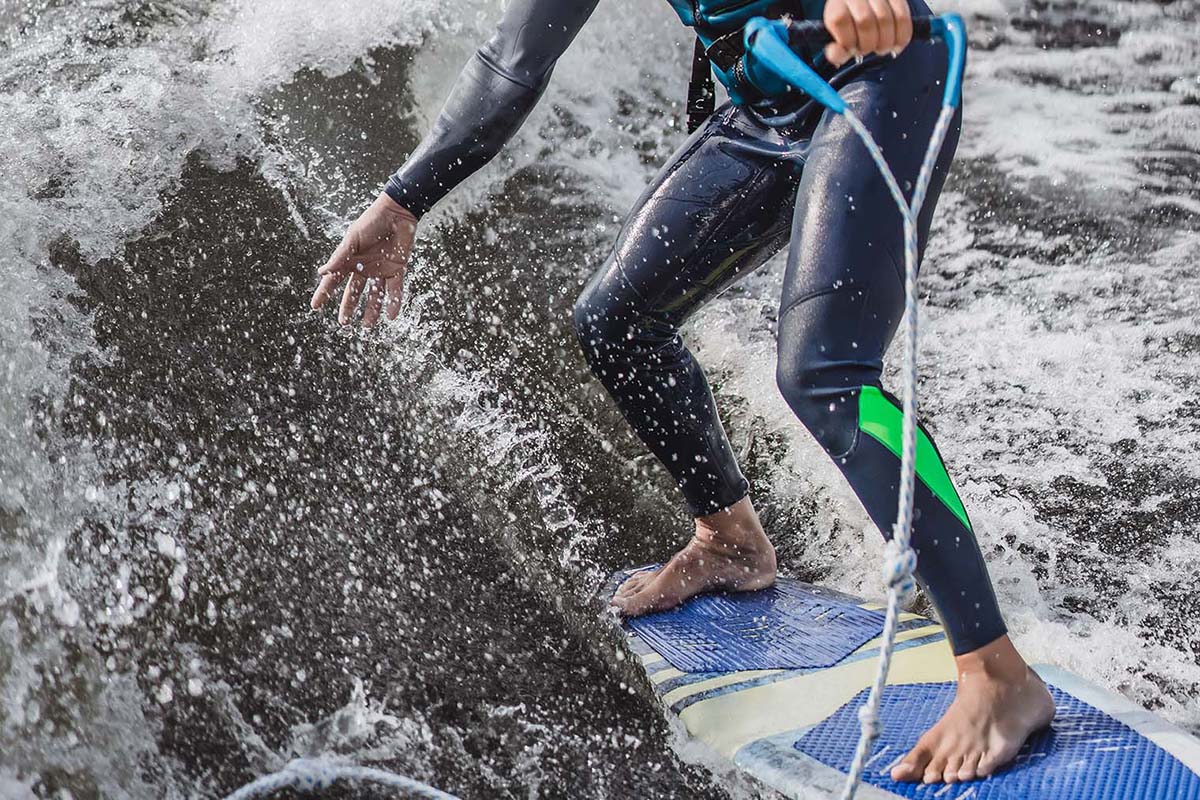
Every surfer, regardless of the degree of expertise they have presently, has at some point in the past started their surfing experience just like you are about to. It is a normal thing for you to feel a little bit of excitement and uneasiness on the one hand and not be sure what to wear on the other. But hey, don’t you be held back by that! The proper surfwear erases all the doubts, encourages you to stay safe, and allows you to focus on the important thing: the interaction with the sea and the satisfaction of finding your way through surfing. We have covered everything in detail in this guide, which will help you present yourself ready and enthusiastic, so that nothing but the joy of surfing will begin your journey.
Maui surf lessons, Kihei
Join our Beginner Surf Lessons at Kalama Park, Kihei and learn to surf in a safe, fun, and supportive environment. Perfect for first-timers!
🕑 Duration: two (2) hours | From: $99
✨ Included: Surfboard, leash, rashguard, booties
✔️ Free cancellation: up to 24 hours
Reserve Your Surf Lesson Now →Essential Surfwear for Beginners
Starting your surfing journey does not require you to acquire expensive equipment or to have proficiency in it. Although the right outfit may not be entirely necessary, it can definitely give you a boost in confidence and allow you to surf with less stress because you are more comfortable. Think of it like you are getting a sword and shield, which is not just for your protection, but it is also the factor that determines your courage to take the plunge without fear.
If you are in cold water, a wetsuit is your savior. It doesn’t just provide additional warmth and lets you stay longer, but also helps in UV protection. A rash guard is the most lightweight top you can wear along with boardshorts while in tropical weather. Thus, both of them will shield you from the sun and keep you away from skin problems due to friction with the surfboard.
Boardshorts or Surf Leggings
Your lower side should be stable, should dry easily, and be able to shape as you wish. Snug-fitting boardshorts and surf leggings made for being in the water are the best choices for you so you can be very active, and you can still have that feeling that you are not wearing anything, be free, and be in the water.
Remember: it is okay if you are not completely sure about everything. Every professional was an amateur once, who was also exactly like you, who was figuring it out, especially zipping their first wetsuit. Let this be your beginning, and you are absolutely marvelous.
Choosing the Right Wetsuit/Accessories
Picking out a wetsuit for the first time may be a bit overwhelming, but you don’t have to worry. It’s alright if you are not a gear expert. Obviously, your wetsuit doesn’t need to have special qualities. It just has to be comfortable, fitting, and help you to worry more about the waves and less about the cold.
Understanding Wetsuit Thickness
Water temperature is your most important indicator. Water that is warm (approximately 70°F and higher) requires a thin wetsuit (like a 2mm spring suit) or a long-sleeve rash guard. If you’re surfing in colder locations, a full wetsuit (3/2mm or 4/3mm) can give you the same level of warmth without adding too much extra weight. Just like a second skin — it should be tight but not too tight. To the point that you can’t move without sweating, it’s too tight; if it’s too loose, you’ll feel the water entering the suit.
The Right Fit Matters
Finding a wetsuit that clings to the body but doesn’t feel tight like a suffocation example is the perfect fit. If the wetsuit is too big, cold water will enter it, while a wetsuit that is too small causes exhaustion. You could try on some styles and sizes for a while, but take your time in this process, as it is although you need to be patient, it may seem a bit tricky at first — believe in yourself.
Every surfer has been in your position once before – that mix of excitement and uncertainty when facing a new challenge. Selecting a wetsuit is the first small but brave step towards your first wave. Believe me, this venture is going to be a plus for you.
What NOT to Wear
All that stuff around the surfing start is as sparkling as it sounds, there are some really bad articles for surfing you should avoid. Sure, some items of clothing look perfect for a beach day, but they may be an obstacle in the water and cause your attention to be shifted from catching the wave of your life.
Cotton Clothing
Cotton fabric, while lightweight, is actually not the best choice of material for surfing. When cotton gets soaked, it becomes very slippery and can pull you down in the water. Consequently, you will struggle with paddling and difficult while moving. Use items of clothing made of moisture-wicking materials used in sports that are characterized as such as rash guards and board shorts.
Loose or Baggy Clothes
It may look like big clothes are more comfortable, but in reality, they will move with the water in a bad way, preventing you from surfing well. Roomy clothes can cause water drag, leading to the slowing of the surfer and thus impair his/her ability to maintain balance. On the other hand, tight clothes are actually more functional and make it much easier for you to go with the flow.
Your necklace or bracelet, though good-looking on land, can cause you problems while surfing, so it is better to be without it. Not only can it entangle in your surfboard or in the waves, but it may also be dangerous in case of trouble. Do not overdo it — an unforgettable surf experience is unlikely to be great with accessories that can make you lose focus.
A little tip: The first time you go surfing is all about the basic concepts and not about what to wear. It is more beneficial to wear water-friendly, practical items, and you will have more chances to concentrate on the pleasure: the waves!
Bonus Tips for First-Time Surfers
Having properly arranged your gear, get extra advice for an even better surfing experience. The given tips are not just about gear; in fact, they are about setting your mood and making achievements for yourself!
Try On Your Gear Before Your Lesson
Nothing is worse than showing up for your surf lesson only to realize your wetsuit is too tight or your rash guard feels uncomfortable. Take a few moments to try everything previously and make sure that it is the perfect fit. When you are at ease with everything, it will be one less thing to worry about while you are in the water.
Bring a Backup Outfit
If you are buying clothes, therefore, it is sensible to have a profound understanding of the cloth materials used to make the clothes so that you avoid situations where you find you need to change clothes, but you don’t think the fabric is appropriate. Always pack a new set of clothes in case you need to change. After your lesson, you will probably want to dry off and warm up, so having something comfortable to change into, and then you can do your tune-up for your remaining part of the event.
Don’t Stress, Have Fun
Surfing is all about having fun with the ocean and living in the moment. You don’t have to ride every wave — and it’s okay. Reward the small wins, like surfing for a second or just sensing the excitement of the water. You’re making great progress, and your skills will grow with every surf session.
Trust Yourself and Your Instructor
Your surf instructor is present for the purpose of guiding you, so pay attention, believe in their skill and experience. They have passed the exact same stages as you and know exactly what you need to achieve. The responsibility is all yours!
Remember: By the way, the ocean can also be very helpful in teaching us patience and perseverance. And at the same time, the first time you surf will be the start of the adventure. If you go for a swim with every next session, the more you’re becoming the champ you’ve always dreamt of.
Conclusion
So simple! So now you are perfectly poised to live the first surfing adventure of your life! If you are feeling excited, or nervous, or a little bit of both, then just remember, no surfer was born a surfer; we were all there just like you. The matter is not in being the best but in being present, open to the challenge, and aligning yourself with each moment in the water. The correct gear, a good attitude, and an eagerness to know are all that is required for the start.
In the beginning, bear in mind that surfing is a process. For sure, there will be ups and downs, but with each session, you will become more dynamic, more confident, and more bonded with the water. Therefore, get into your wetsuit, paddle out, and have a great time. The waves are there, and you are more ready than you think!
Book your spot at our surfing school on Kalama Park in Kihei today! Let’s make your first wave ride special. Surf is ready, see you out in the ocean!
Maui surf lessons, Kihei
You’ve read the tips, now it’s time to try them in the water! Our professional instructors will guide you step by step at Kalama Park in Kihei.
🕑 Duration: two (2) hours | From: $99
✨ Included: Surfboard, leash, rashguard, booties
✔️ Free cancellation: up to 24 hours
Book Your Surf Lesson Now →